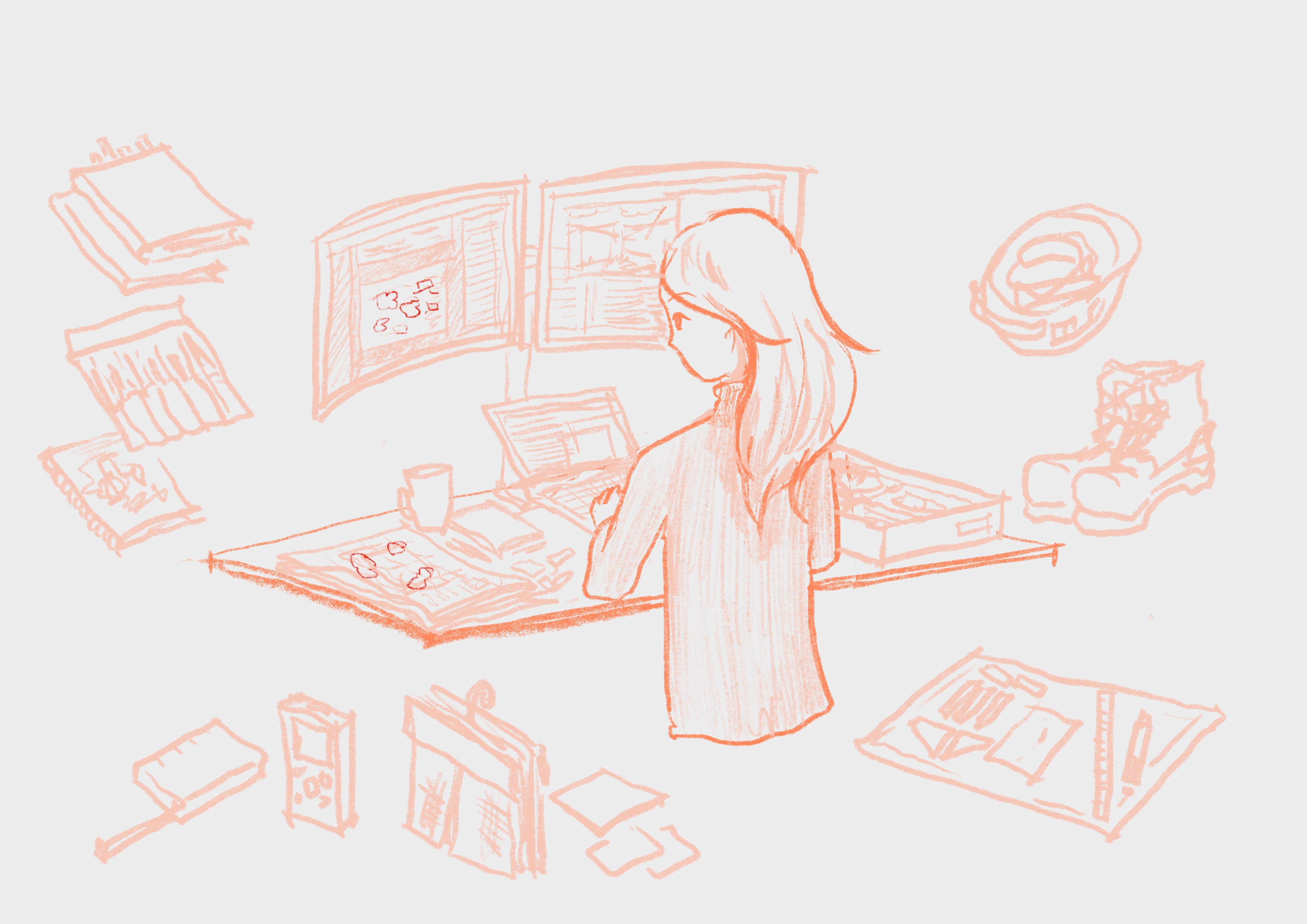
In recent months, I’ve been thinking about the shifting understanding of what it means to be an architect – less in terms of the poetic or theoretical discourse on architecture, but more about the role an architect plays in day-to-day project work that ultimately leads to an outcome that responds to a specific project brief.
Since getting registered as an architect last year, I have had a quite steep learning curve, discovering more about consultant coordination, risk management, and effective communication. The more I became exposed to the project management side of architecture, the more I came to understand that great ideas and concepts need more than good drawings to survive merciless ‘value management’ and contractor-led redesign that can strip away all the beauty of the project.
I used to think great architects design something beautiful and reflective of /responsive to the place – which is still true to me – but now, I think more that great architects integrate design into every part of the process and documentation so that it stays intact in built outcomes. This is a shift in thinking, away from appreciating only the built outcome and towards celebrating the hard work of defending and protecting design values. When I see amazing projects nowadays, I notice myself questioning, “How did they do this?” – as in, how did they convince the building surveyor to approve this? How can we do this in our projects? How did they manage to get all services aligned so perfectly??
It’s easier said than done. It’s ultimately about de-risking (reducing delivery risks) while also understanding where to push based on the team’s (especially tradespeople’s) capability within limited time and money.
While every client, contractor, stakeholder group, and consultant team are different and has different ways of doing things, the notes below are what I think I can improve on to be a better architect…
- Flag risks early: when something feels off – No QS involvement? No existing documentation? So many assumptions about the site? Existing non-compliance? – say it. It may be a false alarm, but it might just save the project. It’s better to identify potential risks and exercise due diligence before they become an issue.
- Give tolerance early: It might look completely fine if it’s a massing of internal spaces, but everything has thicknesses. It’s easier to adjust excess buffers than to increase the building footprint. Especially with minimum compliance requirements (sport courts, accessible circulation widths), don’t risk it.
- Meet functional requirements first: Translate briefing items into documentable details, whether it’s door hardware specifications for access performance or storage needs into linear metres of joinery units. If the built outcome does not serve people’s needs, even if the overall design is exceptional, it can cause big trouble.
- Record everything: Make any correspondence on consultant advice, supplier confirmation, client directions, and building surveyor comments (and everything else) available to the team. Ensure everyone is on the same page and records are easy to find. Communicate who made which decision and how it’s reflected in the documentation.
- Validate direction as you go: Confirm and tick off big-picture items, then move to more specific items. Lock in design capacity figures based on NCC, confirm applicability of the 50% rule, confirm construction type (s), confirm the fire engineering strategy, confirm overall service approaches and equipment locations, confirm the equal access strategy, etc., before starting to design. Like bouldering, make one conscious and informed design decision at a time (whenever possible…). Know what needs a Performance Solution to overcome compliance hurdles, and validate approach with consultants early (de-risk potential hiccups).
- Get consultants talking to each other: where consultants share similar scope of work or areas within the project, ask them to discuss among themselves. E.g., how civil & structural split the design of external load-bearing elements; allocation of plant room/entry cupboard spaces for services; how civil & hydraulic split the design of the drainage/water collection system; coordination between fire engineering and fire services.
- Embed design thinking in consultants’ documentation: Ensure design intent is documented in consultants’ specifications and drawings, especially for design elements that require consultant inputs (e.g. electrical and structural provision, lighting integration, mechanical outlet coordination, AV equipment finishes and locations). Use ESD reports (especially town planning-related reports) to lock in sustainability strategies so the contractor can’t just remove elements. Link to the client’s social and environmental responsibility requirements to retain the added value of specified products and avoid easy substitutions.
- Share lessons learnt with team members, collate them, and make them available so you and others don’t make the same mistakes. Teach other junior colleagues what to be mindful of, so they can also flag risks when they notice something. The more people on the team who know and communicate what’s going on, the more quality control the project gets.
When every project offers something new and challenging, it’s almost impossible to know everything to make design tick, particularly as a young architect. Not knowing what I don’t know is the scariest thing, but knowing what to watch for and how to handle situations helps me feel more competent as I discover new unknowns.
Part of me wonders if it’s simply the reality of commercial architecture: a constant fight to defend what we want to achieve. It’s so easy to feel defeated by losing control of design direction and not knowing why I’m working so hard for something I can’t be proud of. Some high-pressure projects with extremely tight project programmes, limited budgets and resources, and high expectations for deliverables made me realise that I can come out the other end fine if I have full faith in the project design vision. Great architecture starts before it gets built; it begins with a clear, powerful, and unwavering design vision that everyone on the team believes in and feels motivated to materialise. That’s the kind of design work I want to be able to deliver as I develop a better understanding of who I am as an architect.


