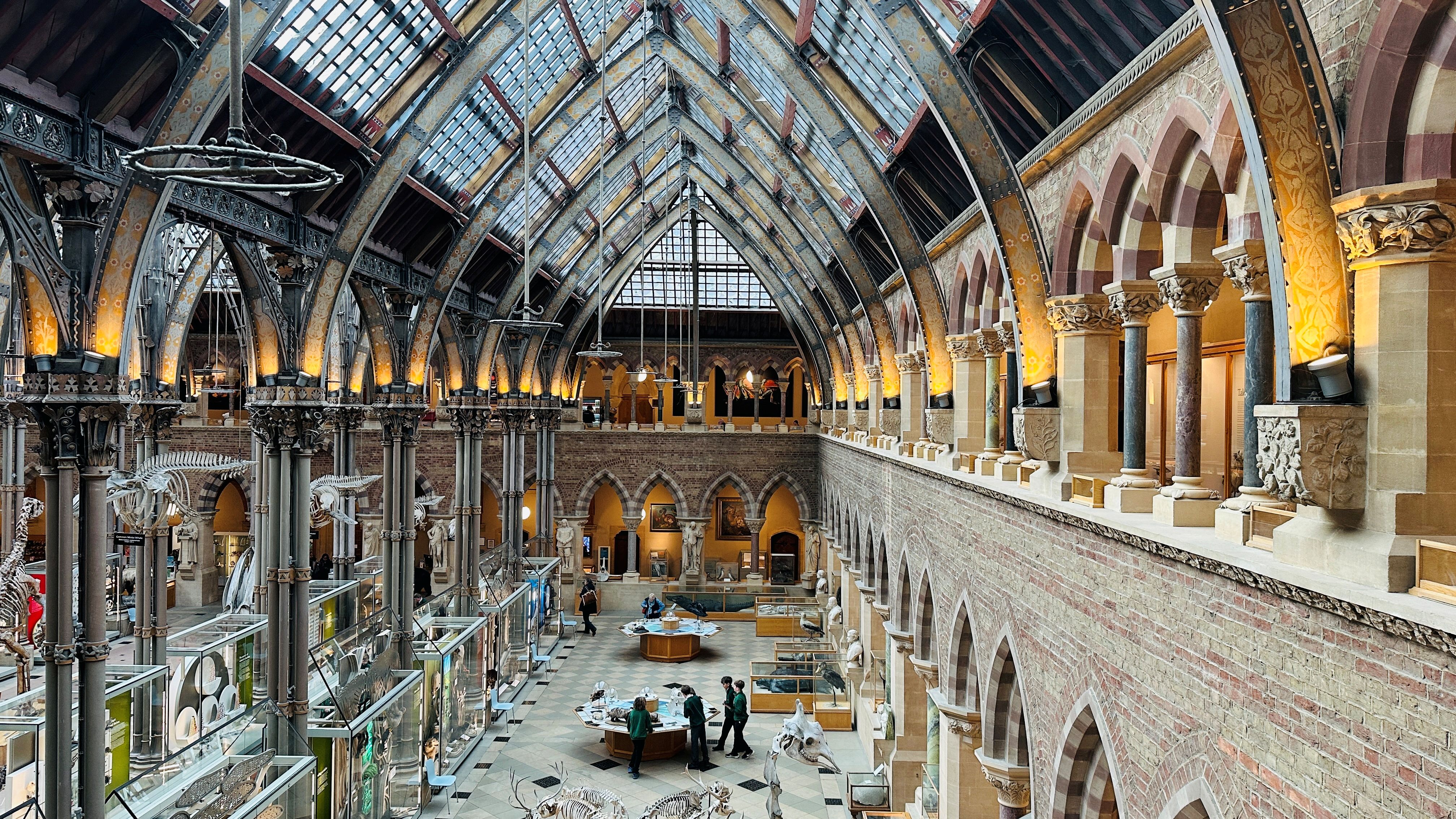
In January 2026, I visited the UK (Oxford and London) and France (Paris) for the first time for a couple of weeks. My itinerary was filled with visits to libraries, art galleries and museums, both places I had always wanted to visit and places I was discovering as I went. This article documents aspects of the galleries and museums I particularly enjoyed exploring.
Divinity School, the Bodleian Library
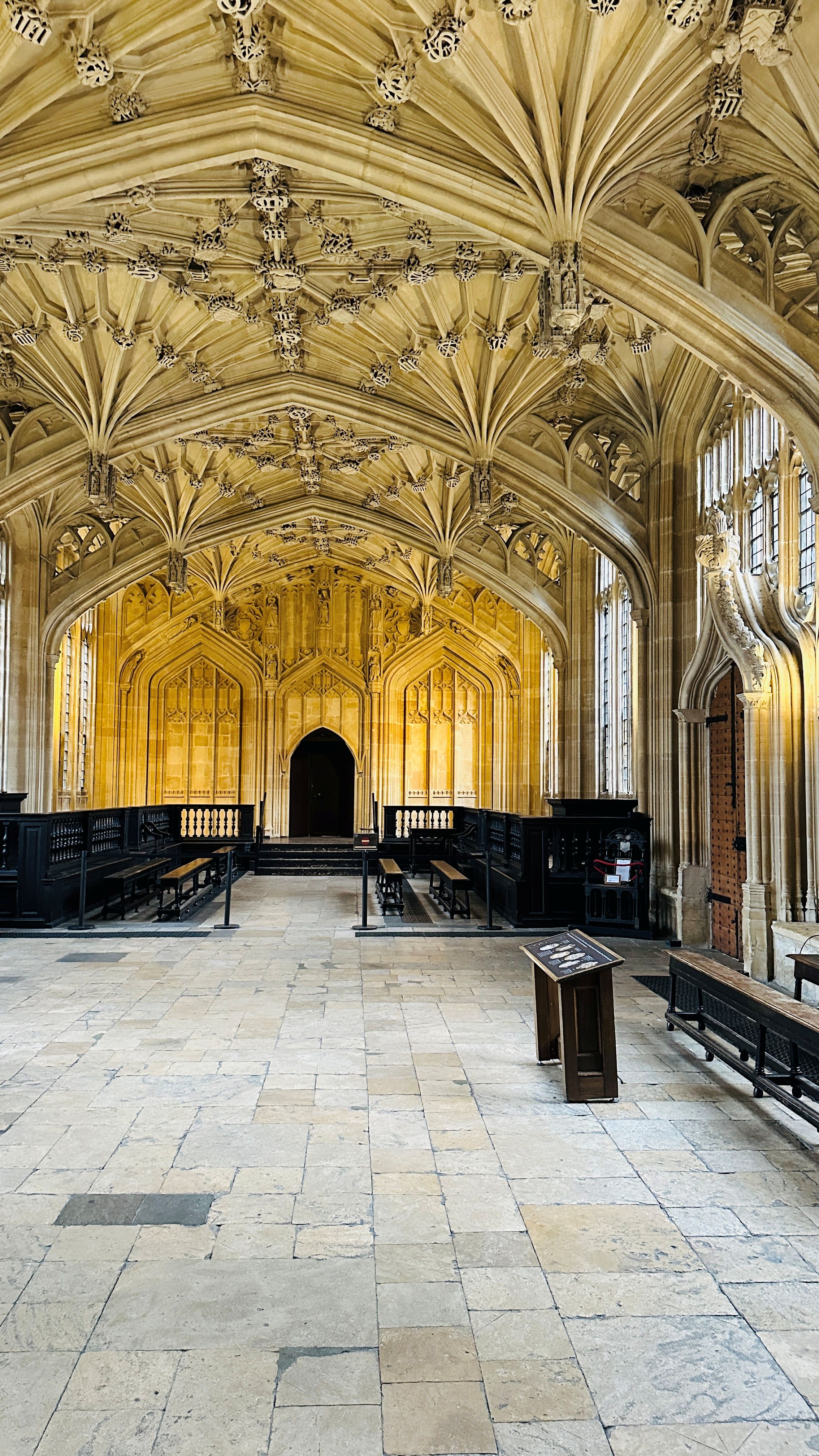
While the Radcliffe Camera was not open on the day I visited, I had the chance to tour the Divinity School and Duke Humphrey’s Library. The Divinity School, built over six decades from 1420 to 1483, has rich stories about the mode of teaching and examination, and the adaptation of its architectural expression over time to the ever-changing religious and financial circumstances of the 15th century.
The tour guide was amazing in telling stories from the time when there was only one degree at Oxford University – divinity – and the students used to find teachers and go to a pub together to learn from them, since there was no university building. The current Divinity School offered a place of learning and examination. Apparently, the final exam was a six-hour debate between a graduating student and their teacher, open to the public like a spectacle. With two podiums facing towards each other in a rectilinear sandstone room, it must have been a theatrical experience.
The built fabric also reflects the institution’s secularisation and the social dynamics over time. The imagery of Christianity, such as stained glass and some heads of religious sculptures, was largely removed (sculptures remain headless!). The ceiling design features lierne vaulting with bosses (decorative ceiling knobs) that represent donors’ crests or initials. Of course, the bigger and more central the crests are, the more money is donated to build the building—the struggles with raising the funds to complete it sound so familiar to many construction projects nowadays. As much as I found the Divinity School building so beautiful, I enjoyed learning about the human aspects of the behind-the-scenes stories, which are not much different from the present.
Oxford University Museum of Natural History
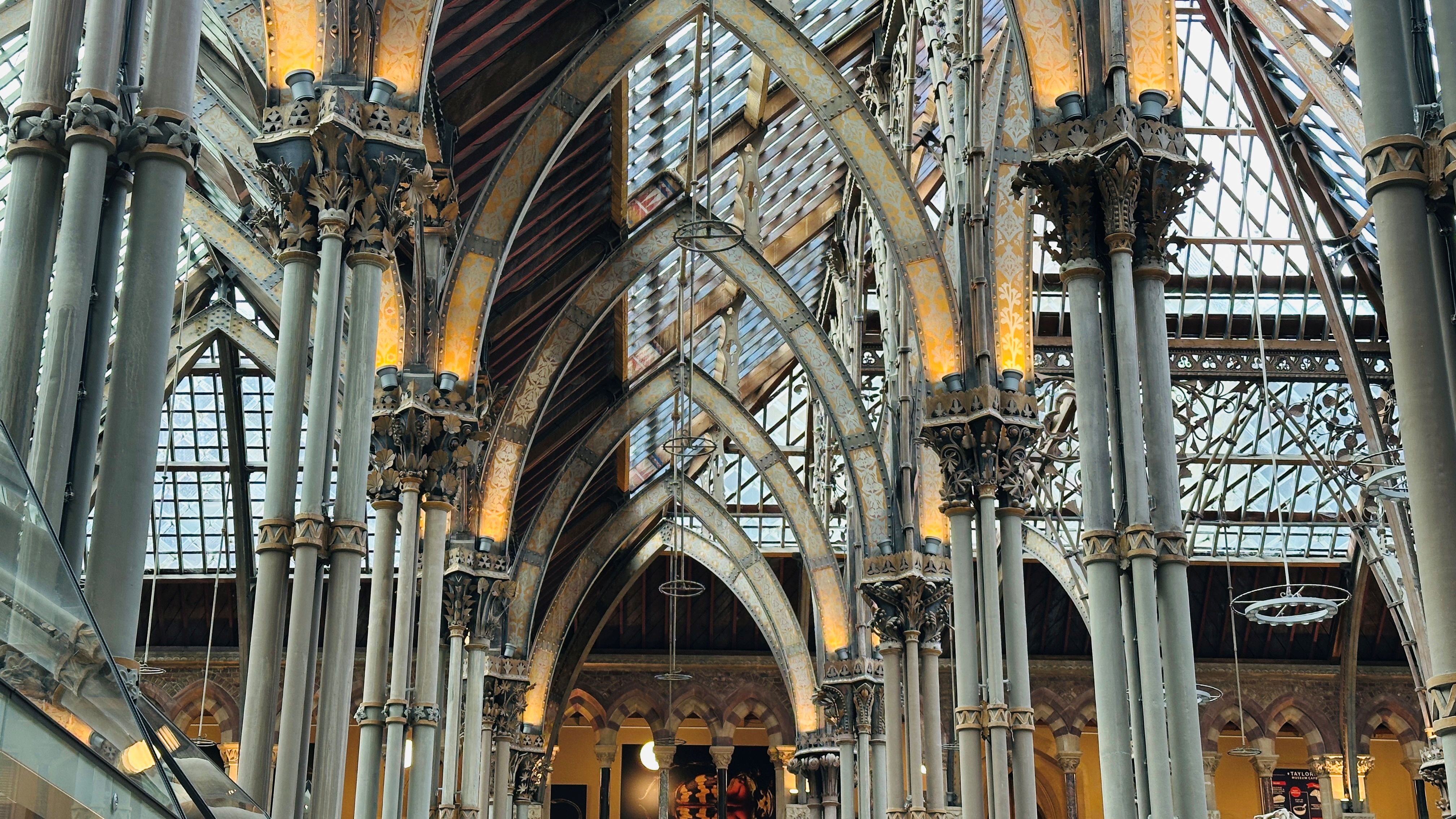
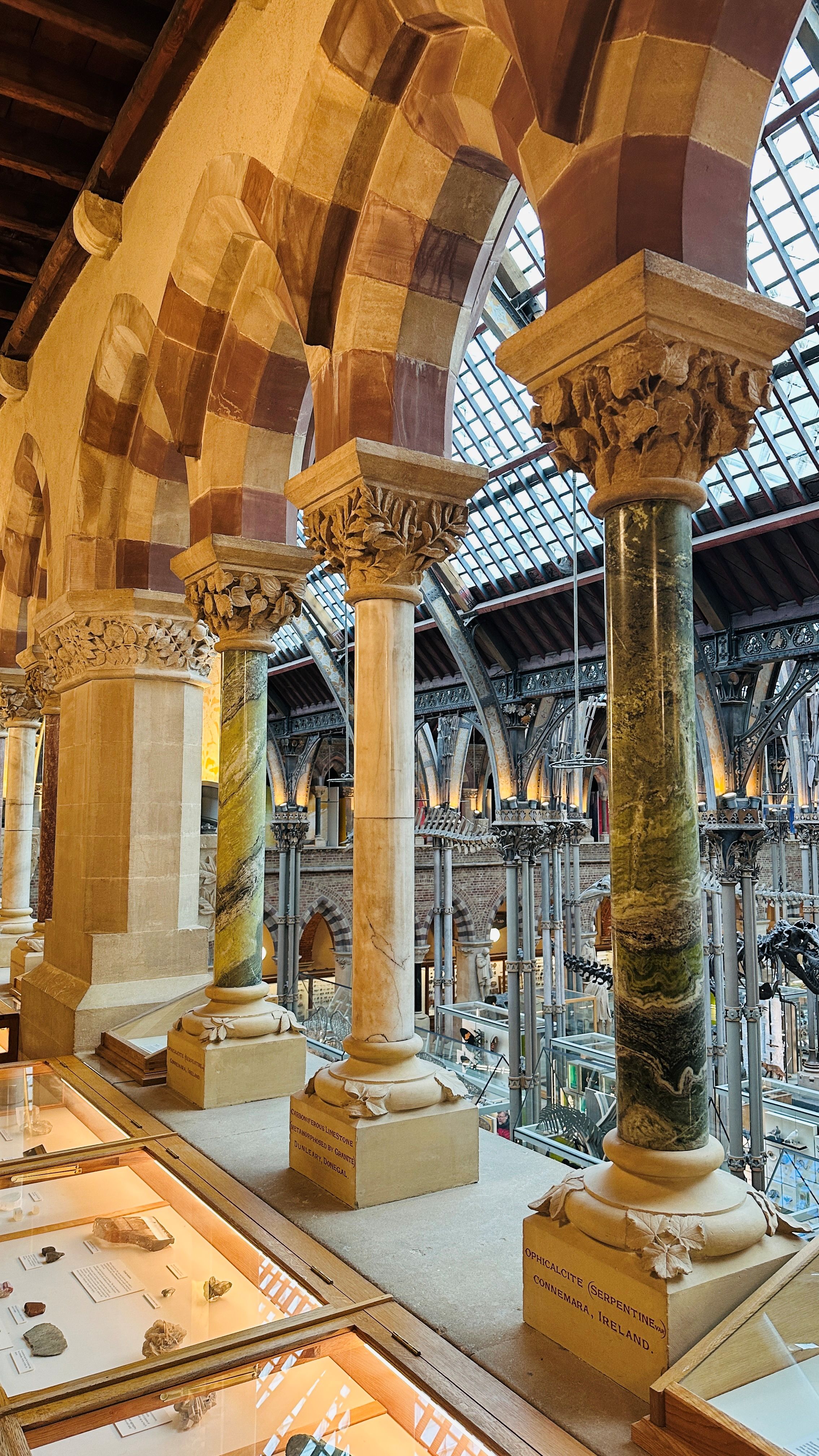
While the glazed roof and beautiful cast iron work mesmerised me from the first step into the museum, one thing I particularly loved about this museum was the way architectural elements became part of the exhibits. As I walked around the colonnade, I realised that the shafts of the columns were made of stones from specific regions and time periods, each labelled individually. And the capitals and bases of columns consisted of carvings of plants with no apparent repeated motifs – each plant was different. Those are so integrated into the structure and overall built fabric of the museum that they don’t appear as decorations. The layered meanings of the relationship between the role of a natural history museum and the building itself, along with stonemasons’ artisanship on full display, give a rich sense of place and the knowledge it holds.
Musée de l’Orangerie
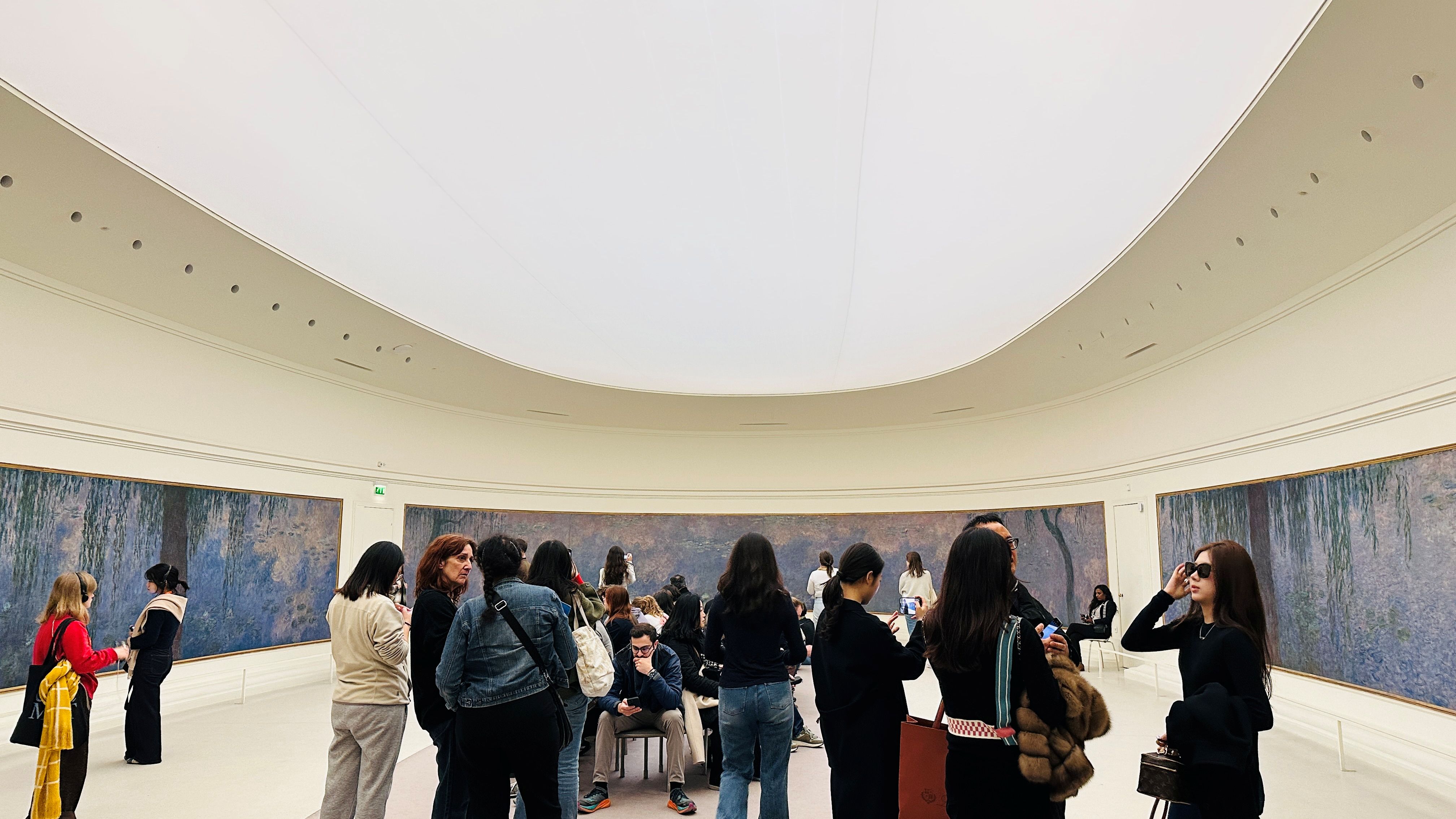
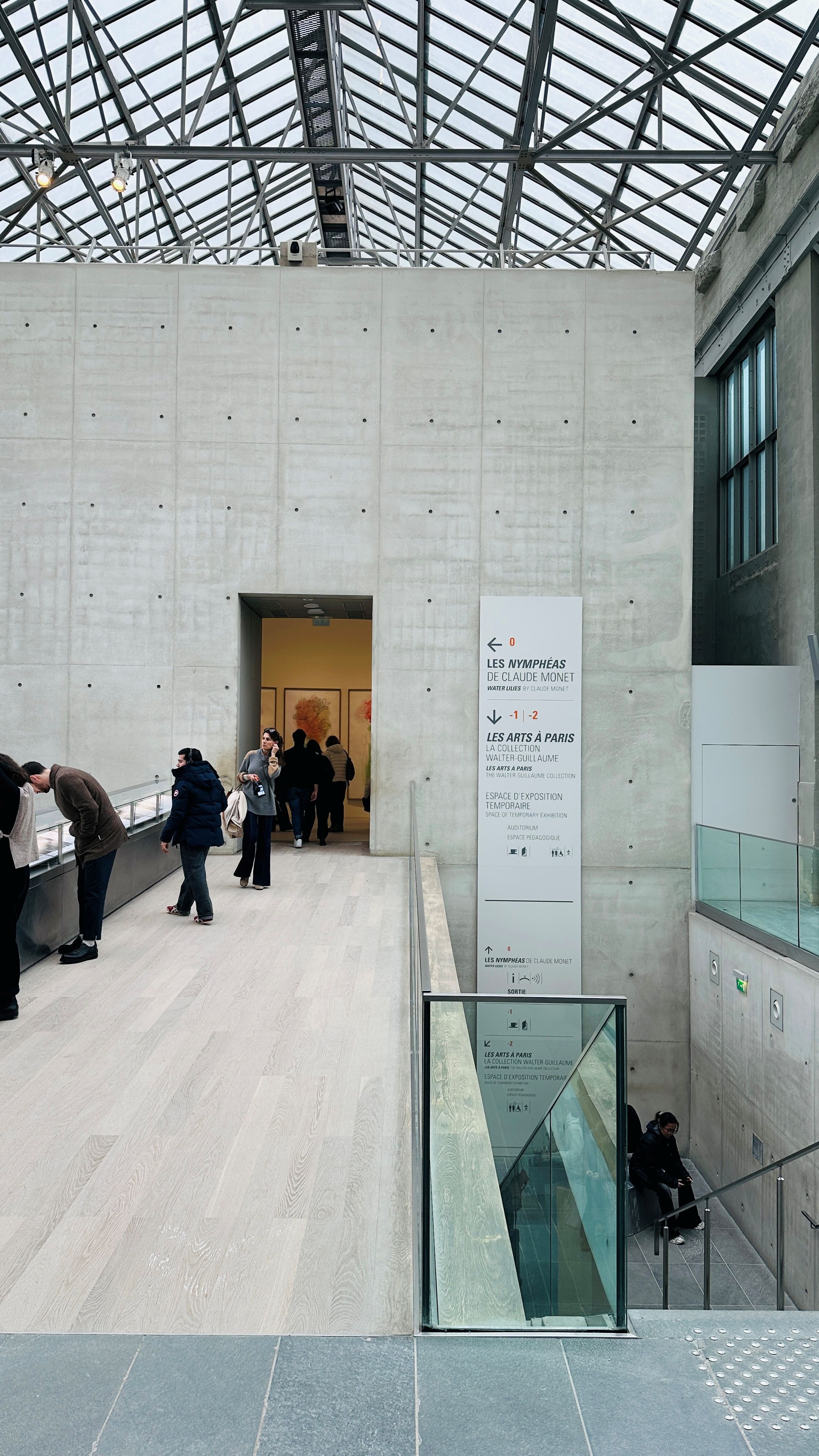
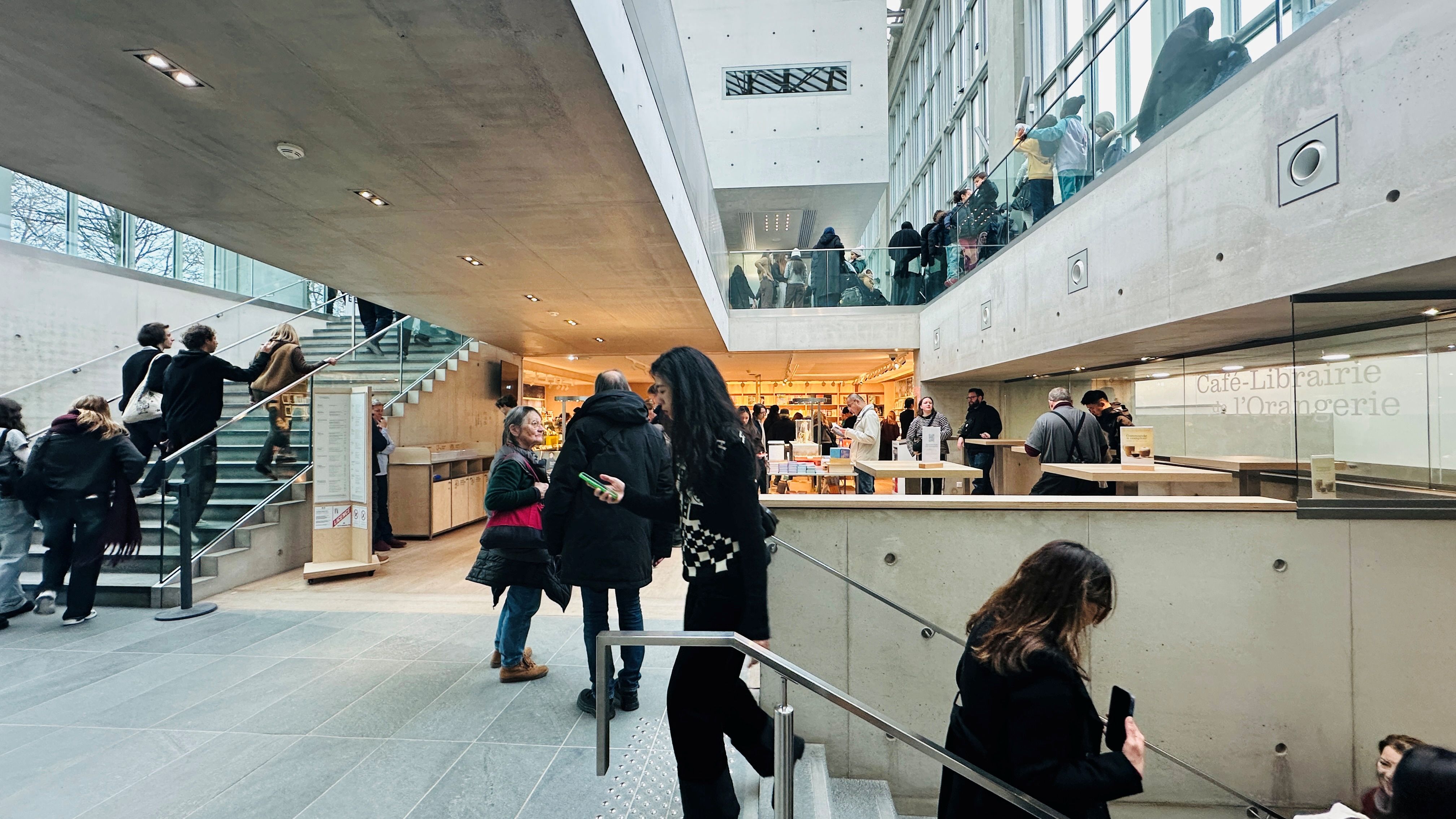
Originally built as an orangery to house orange trees in the Tuileries Palace garden during winter, this place is a successful example of the insertion of a compact gallery that makes the most of the unique characteristics of the original glasshouse fabric. Circulation from entry through the levels to the basement flowed so effectively, and the turns and stairs along the way offered glimpses of what’s to come, keeping me curious. The two oval rooms with Claude Monet’s Water Lilies were just exquisite; the gentle, filtered natural light cast a soft glow throughout the space, creating a calming, peaceful moment. The cornerless room – a wall continues all the way around – reflected the continuity of the landscape spatially and across time. The basement exhibition spaces honour the orthogonal axis, overall spatial parti, and the natural light intake through the skylight along the length of the building. There is a beautiful transition from the spacious and light-filled circulation space into more confined exhibition spaces. This simple yet well-considered gallery became one of my favourite places in Paris.
Musée d’Orsay
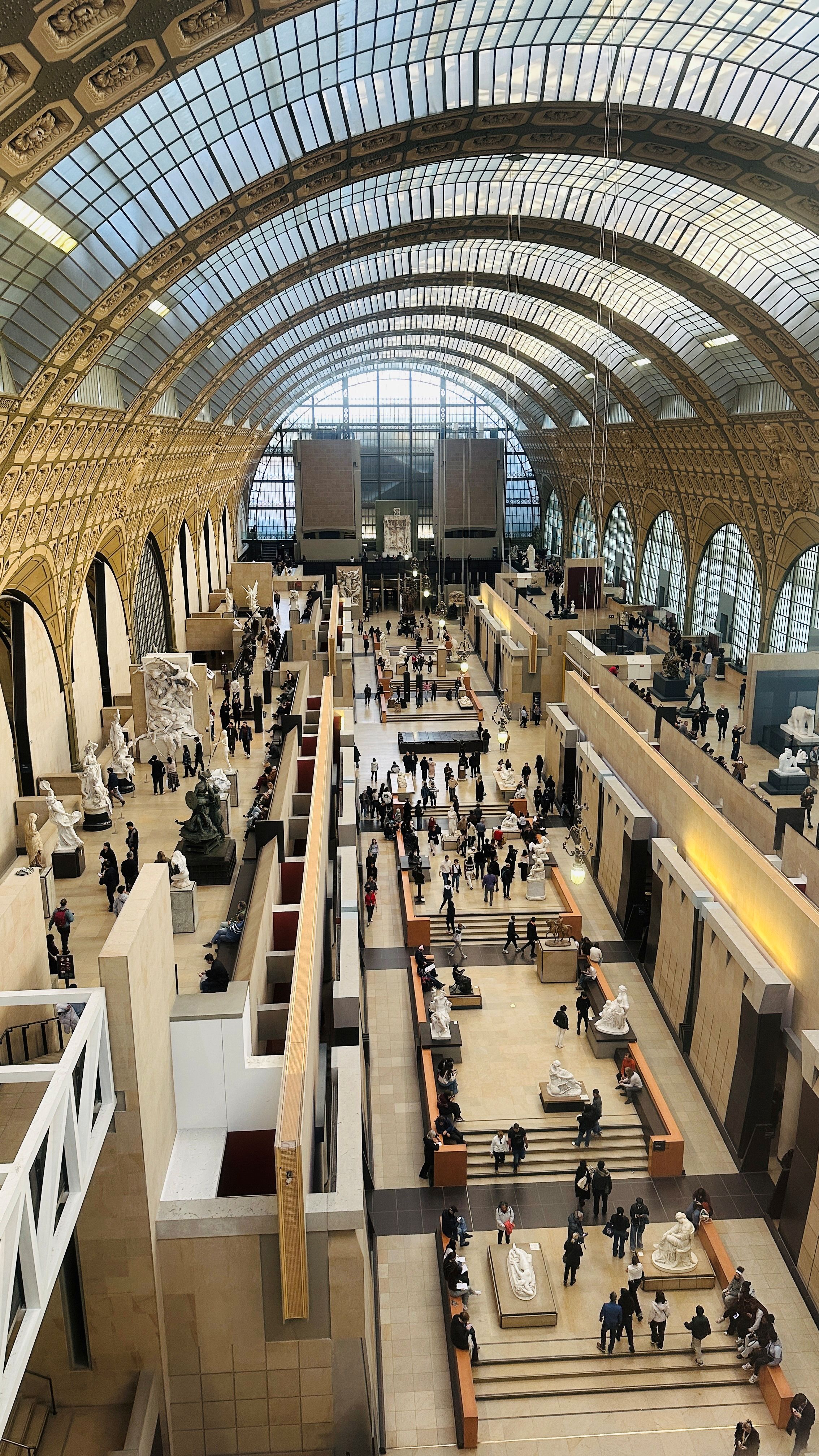
Without knowing much of the history of the place, you can feel the palimpsest of the memories upon taking a step into the gallery. The remaining built fabric of the train station, with its coffered, arched roof structure and skylight, forms an airy, expansive space. The interaction of the contained linear exhibit spaces and open, stepped gathering spaces with sculptures (compression and expansion) effectively supports the transition between a highly focused experience (reading blurbs and appreciating artworks) and a moment of rest. The journey through the gallery was exciting, but I didn’t realise how large it was – I’ll need days to really appreciate it in its entirety.
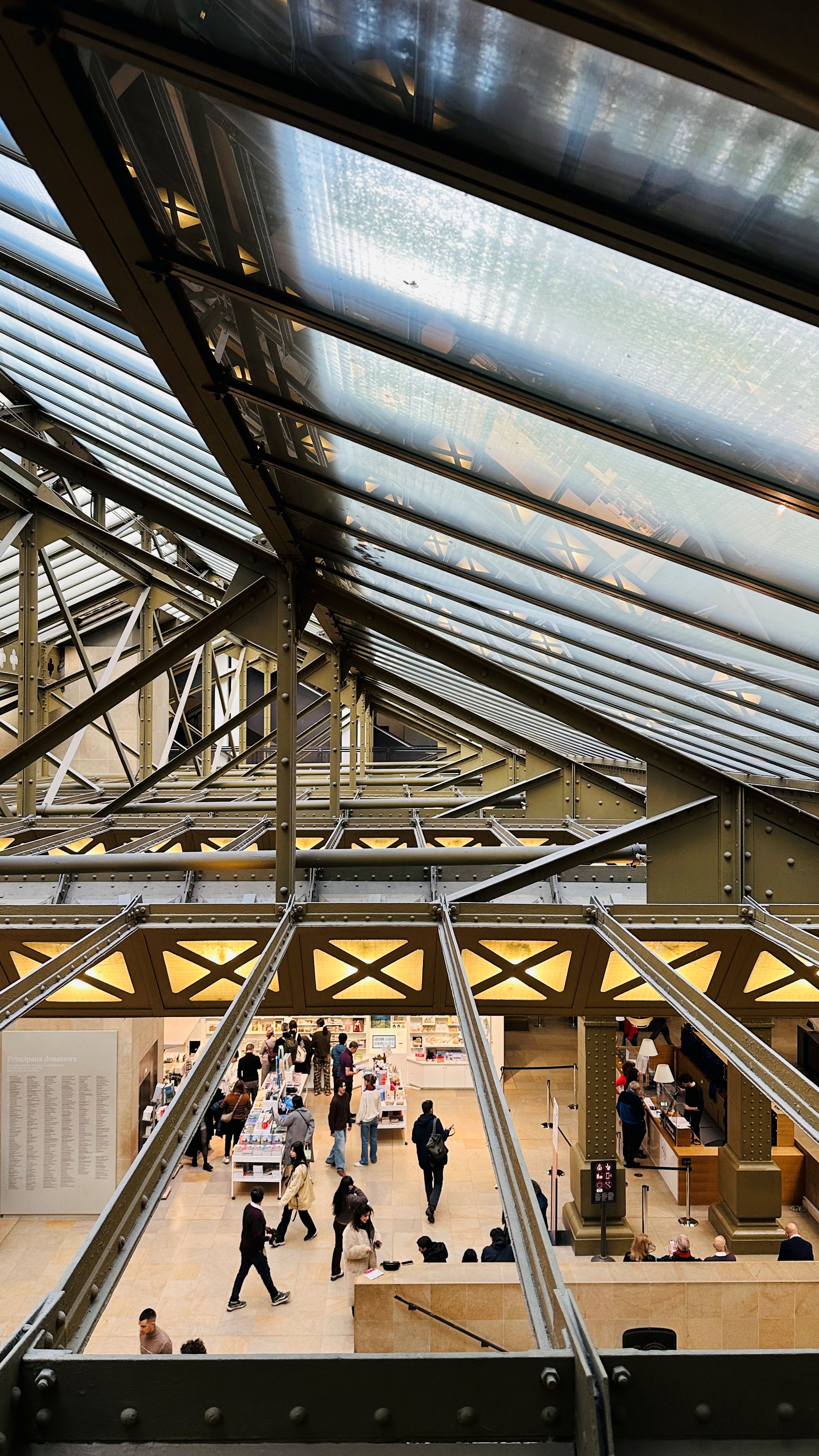
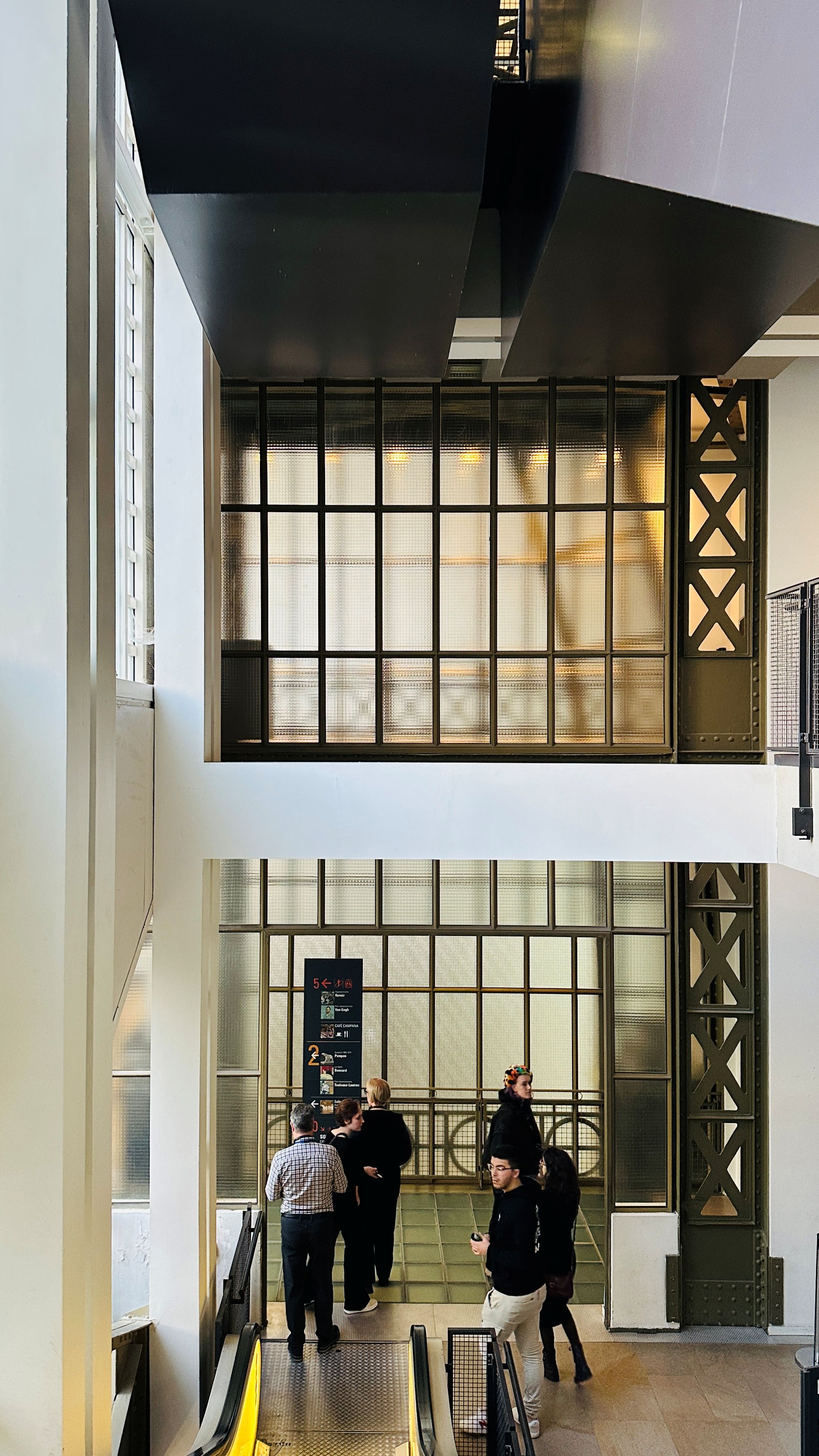
Bibliothèque François-Mitterrand
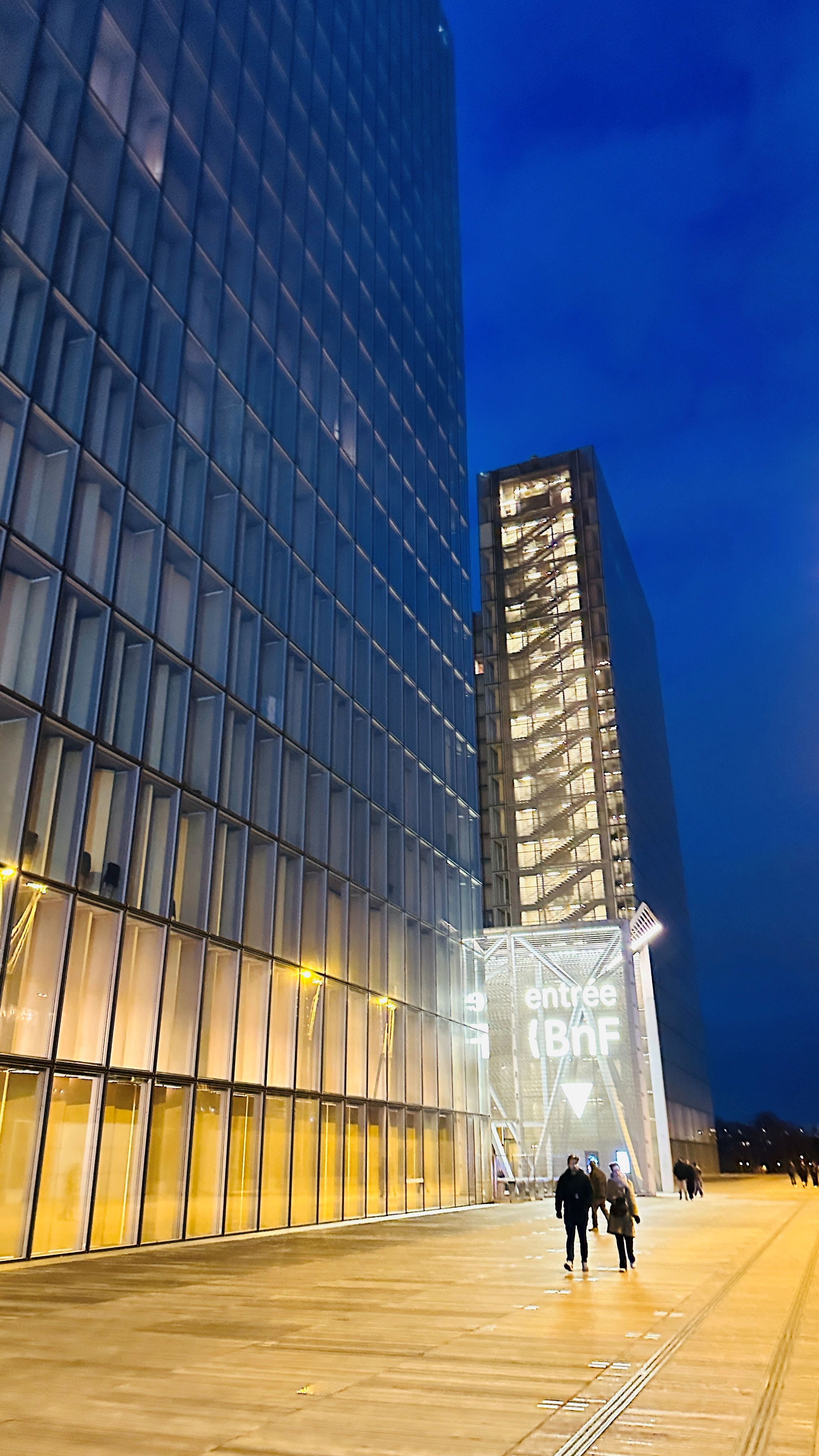
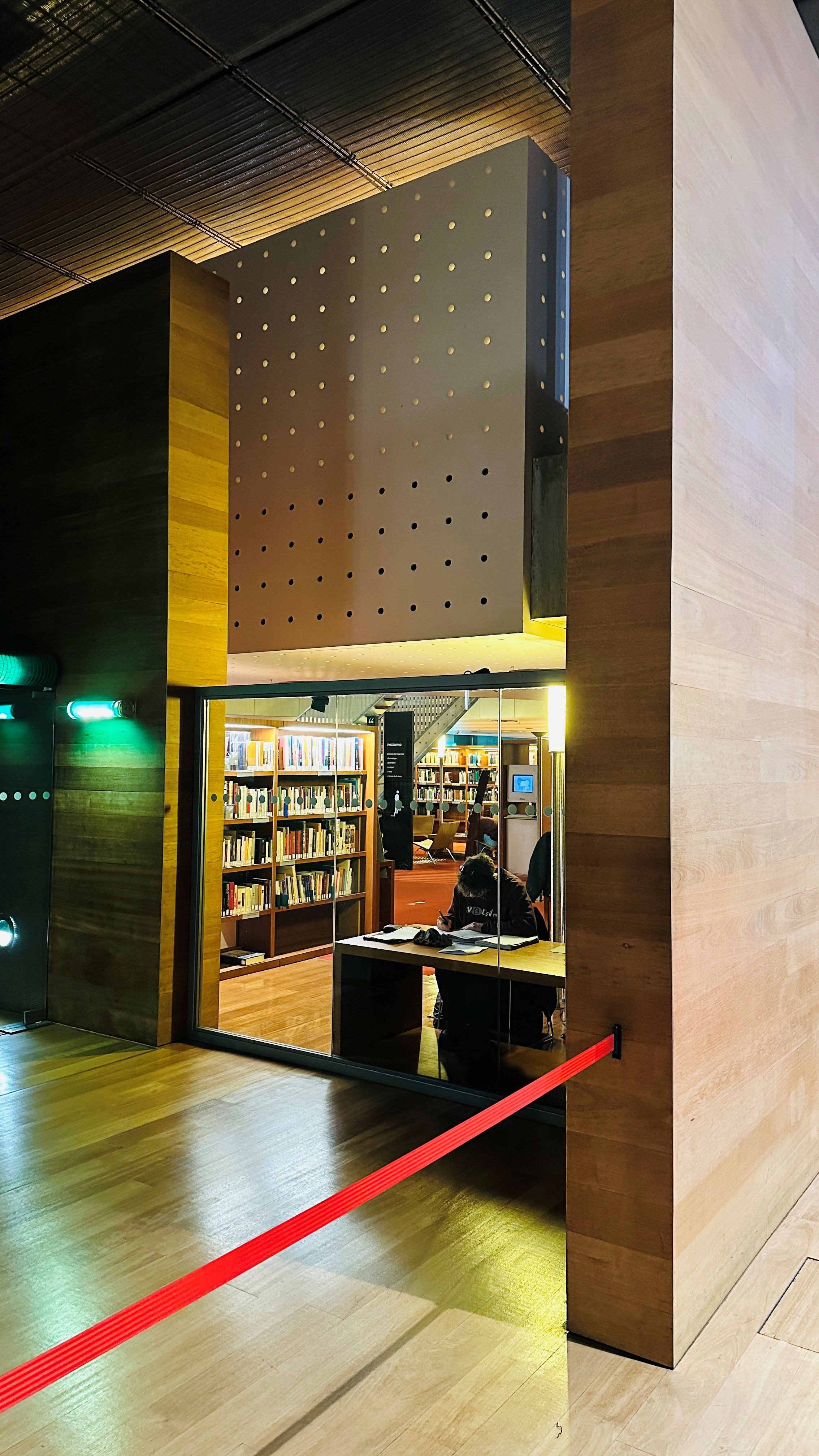
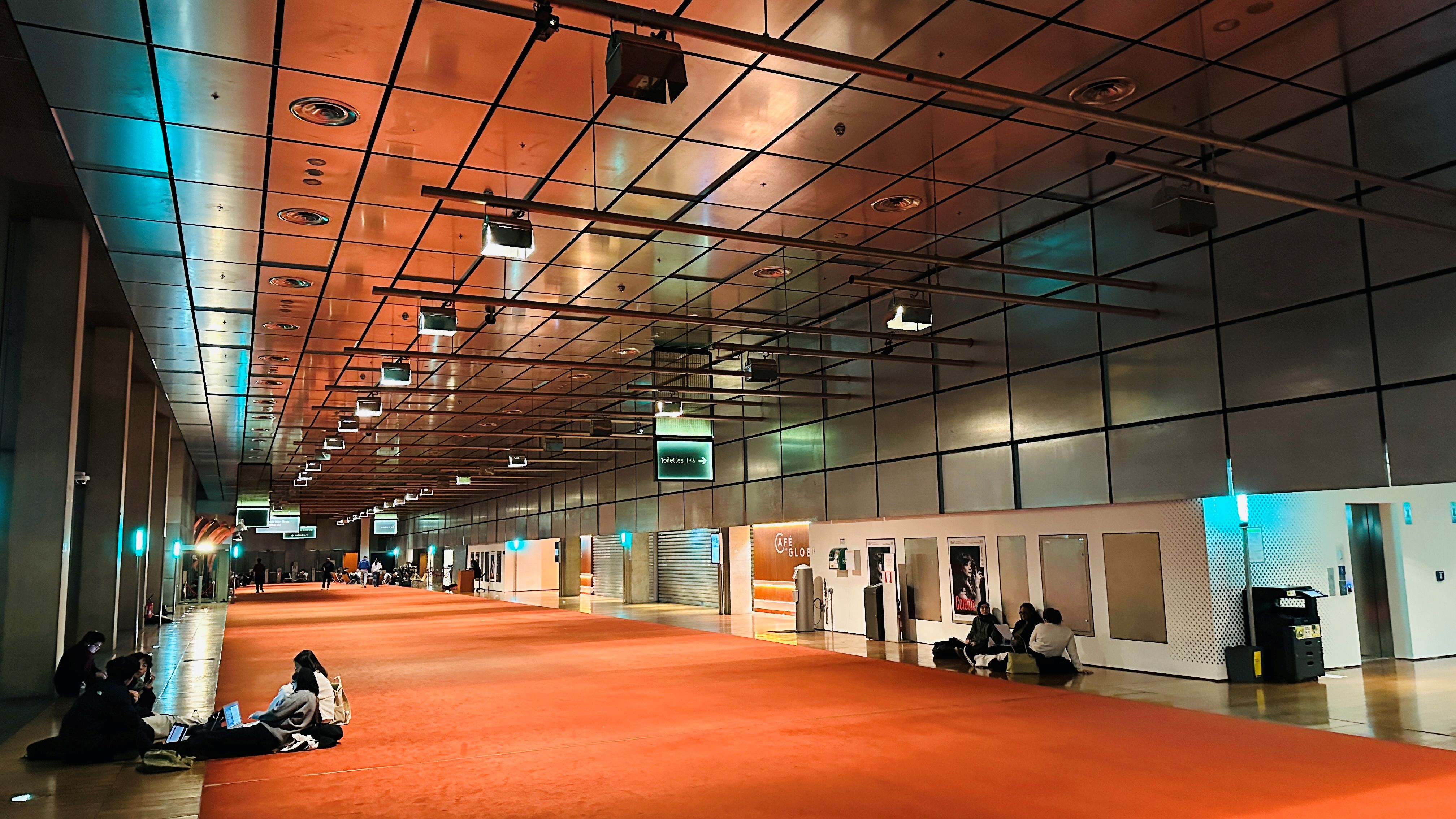
As you approach this national library complex, the four tall, fully glazed towers (with a big ‘entée {BnF’ sign) catch your attention. At a glance, they feel imposing – but wait until you go down a level and enter the library proper. The entire public area of the library is sunken below ground level, and at its centre is a huge courtyard, which is the key spatial organiser of the complex. While I visited the library at night and couldn’t appreciate the winter courtyard as much as I had hoped, it was great to experience the generous offer of the landscape to this enormous building, without the visual bulk of the building significantly impacting the street-level public realm. Inside the library, there was a clarity to the hierarchy of architectural elements – thick concrete walls defining spatial proportions, metal ceiling tiles (mesh + metal) setting the fine-grain grid system, timber-lined walls sitting way below the ceiling line to create more nuanced spatial separation, and the red carpet highlighting the main public circulation around the courtyard. The legibility of the space was so comfortable and convincing.
V&A East Storehouse
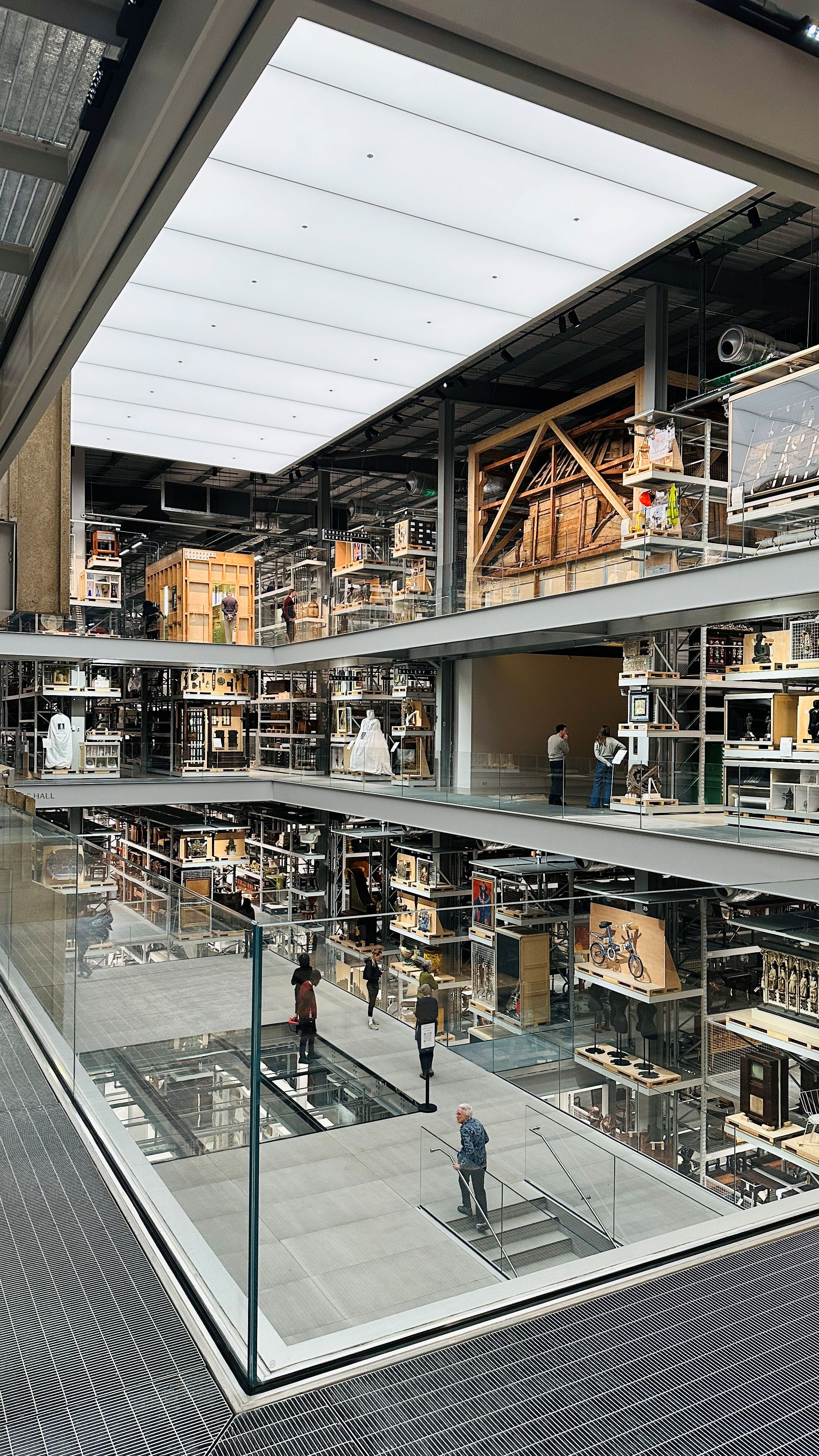
Unlike the V&A Museum proper, V&A East is the display of the ‘behind-the-scenes’. It is essentially a warehouse for storing and conserving the artefacts that are not on display at V&A, that is, in fact, ‘on display’. The Weston Collections Hall features pillars of steel structure where artefacts of various sizes and nature (earthenware, furniture, paintings, sculptures, hardware, novelty mugs, etc.) are mounted and/or partially encased in protective boxes. A barcode label on each item indicates the museum’s archival system for recording information and the artefact’s location. Integrated into the Weston Collections Hall are the remnants of Robin Hood Gardens by Alison and Peter Smithson, the ceiling carving panels from the Torrijos Palace, the Frankfurt Kitchen by Margarete Schütte-Lihotzky, and the Kaufmann Office by Frank Lloyd Wright.
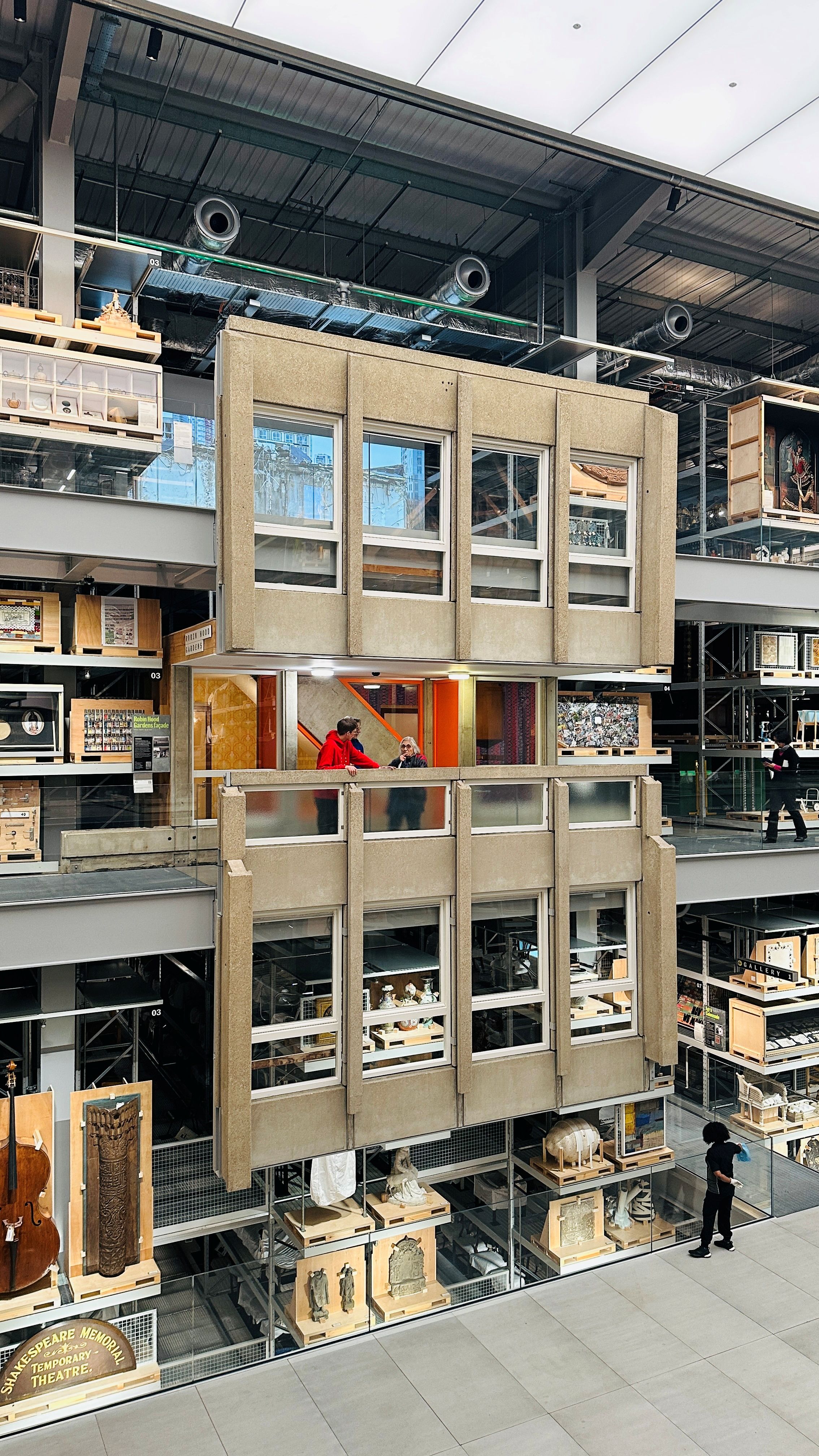
On the upper levels, the walkway has viewing platforms that offer views into more storage spaces in the distance, and conservation spaces where V&A conservators lay works on benches, document existing conditions, and undertake conservation/repair work. Interview videos on display explain the process of conserving artefacts made of different materials for specific purposes. The display methodologies and visitor experience that shape this museum were phenomenal – it was not only about encountering works, but about understanding how they are interpreted and conserved for specific reasons.
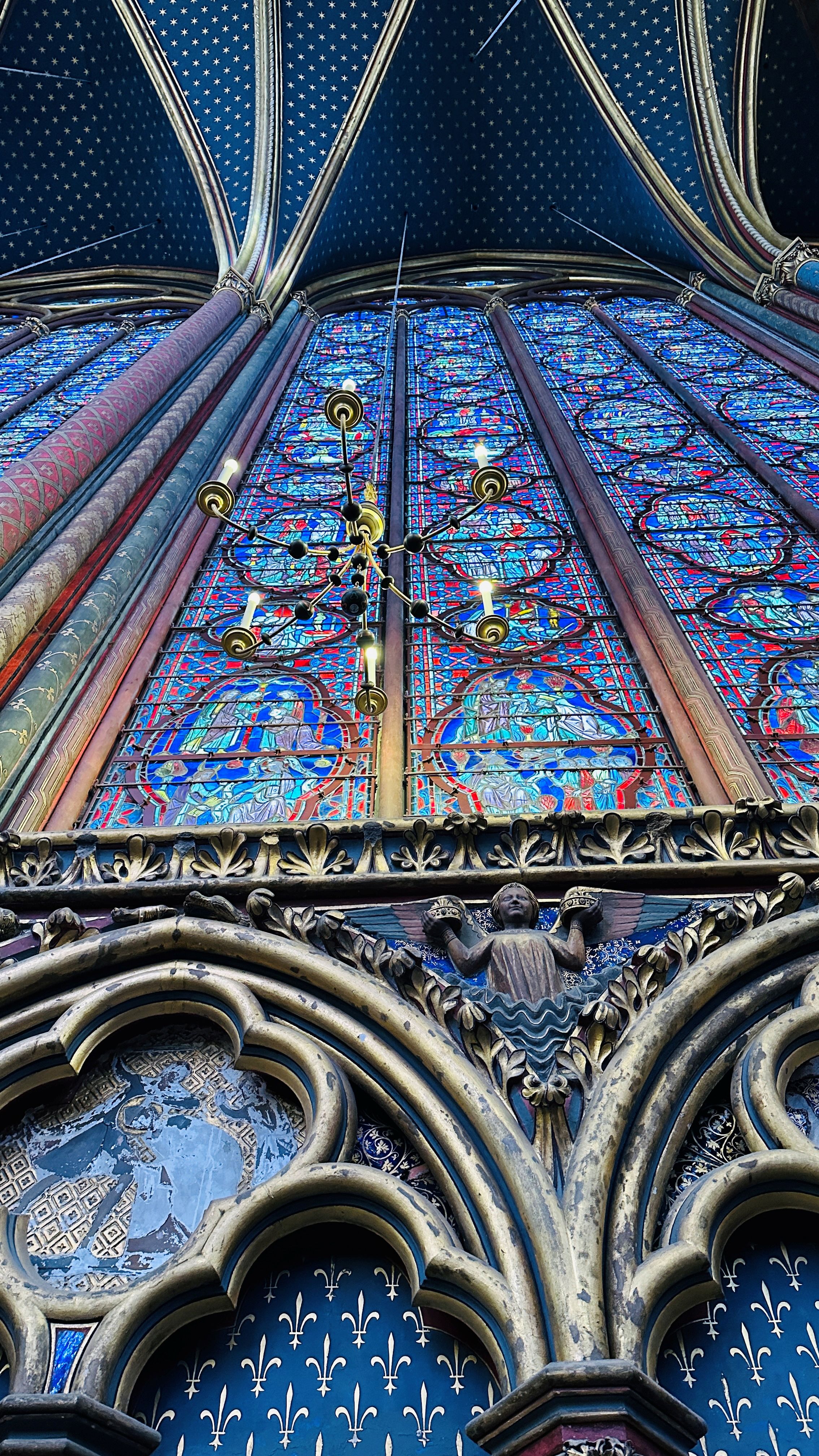
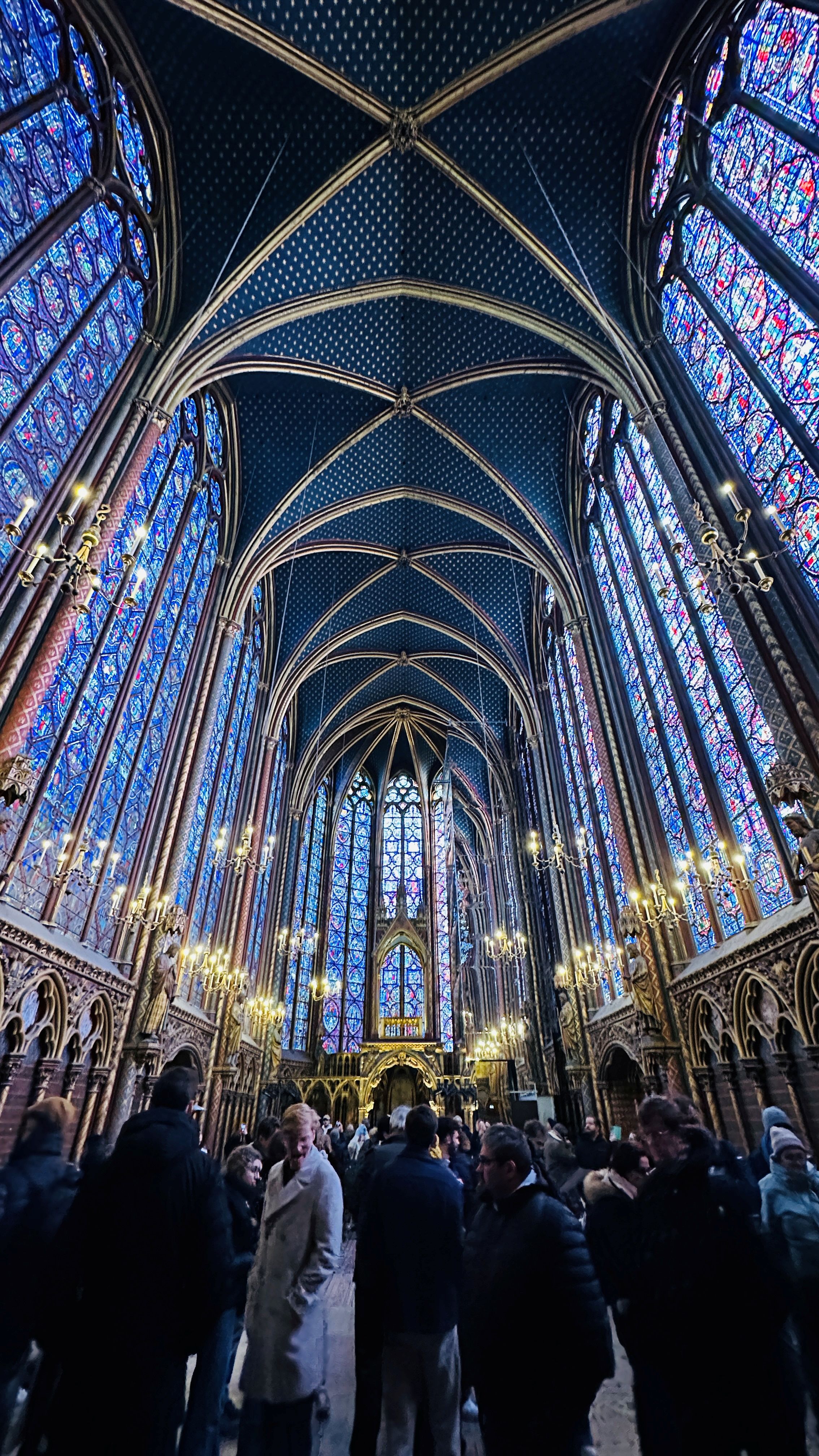
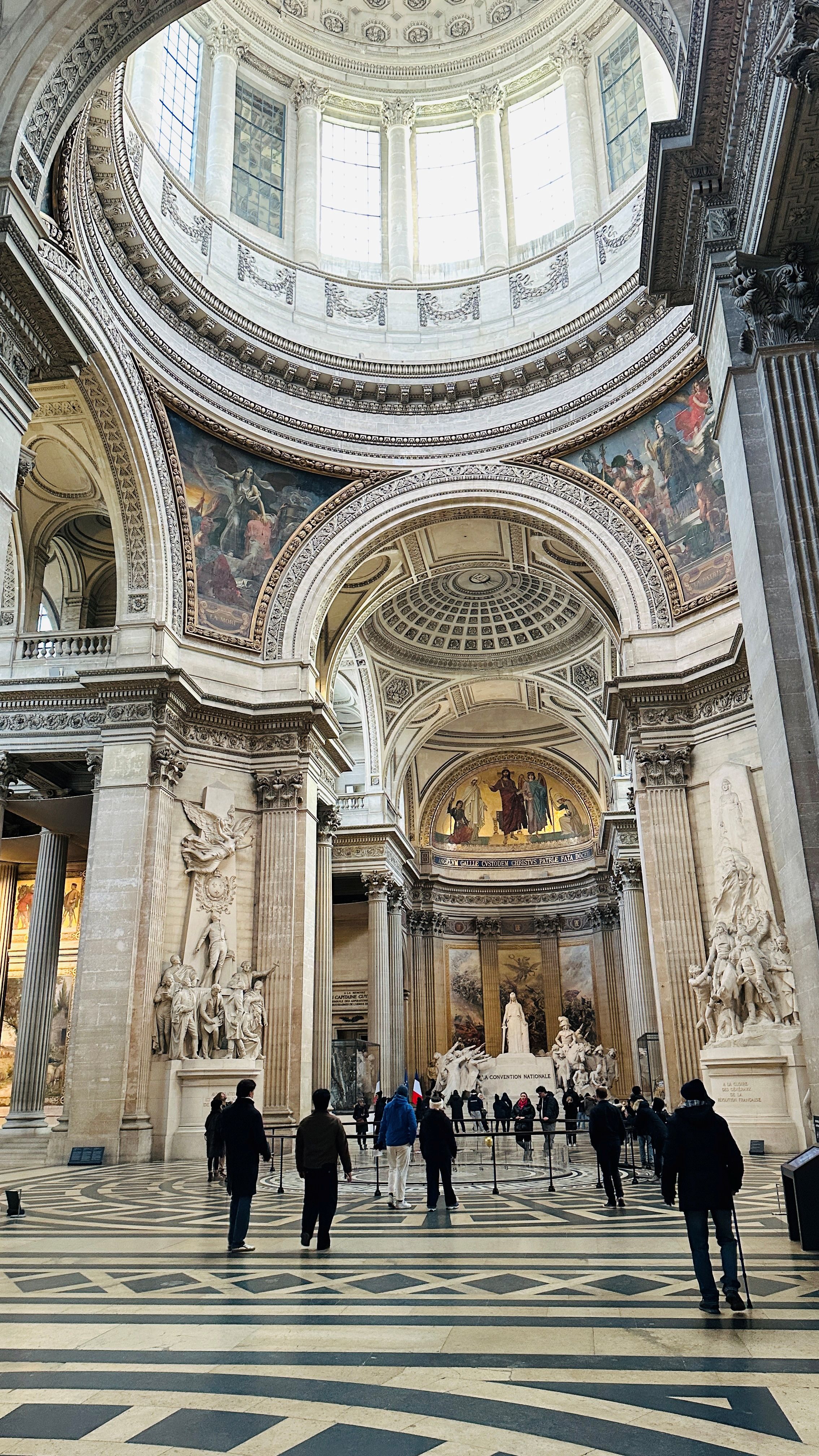
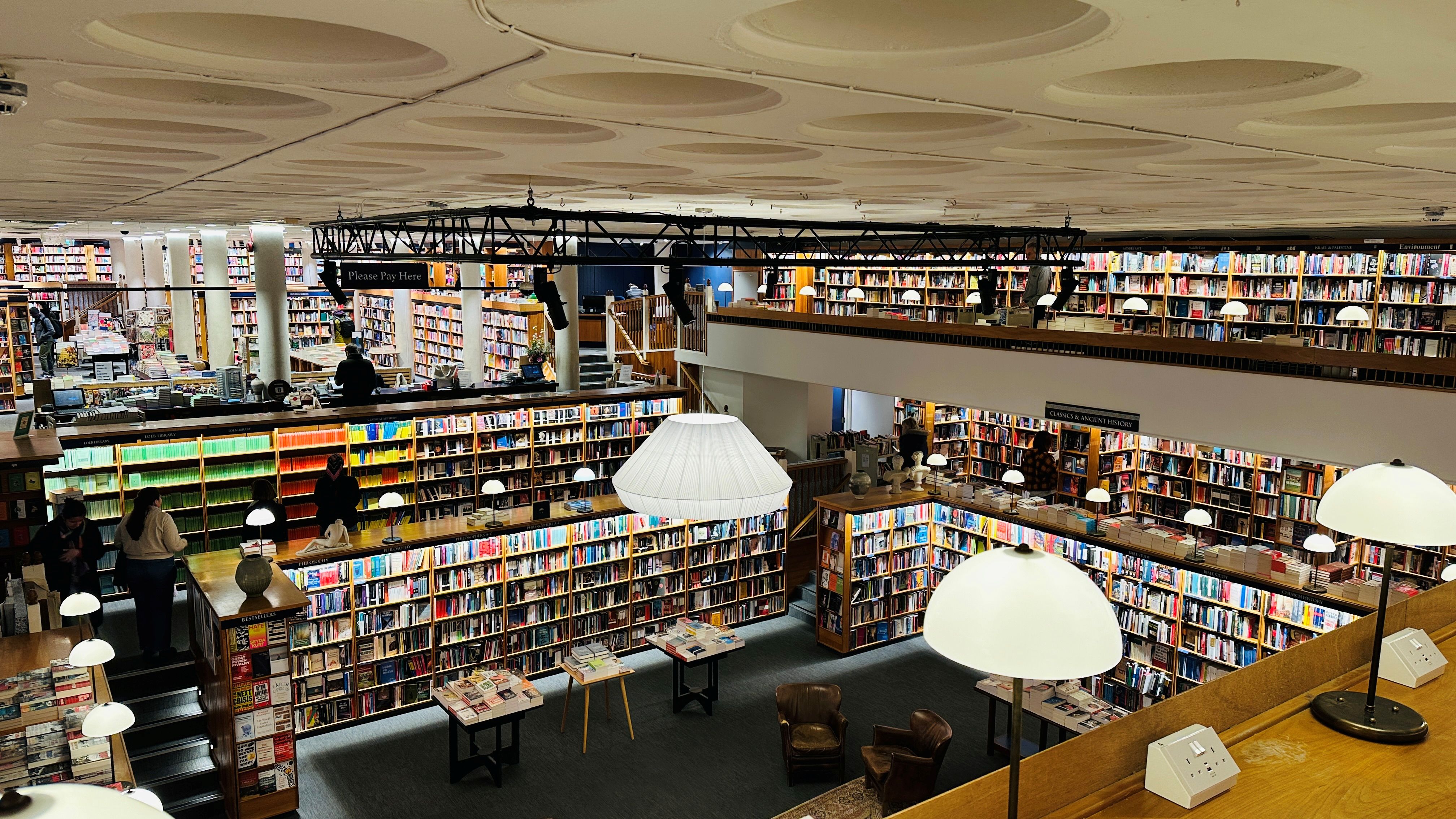
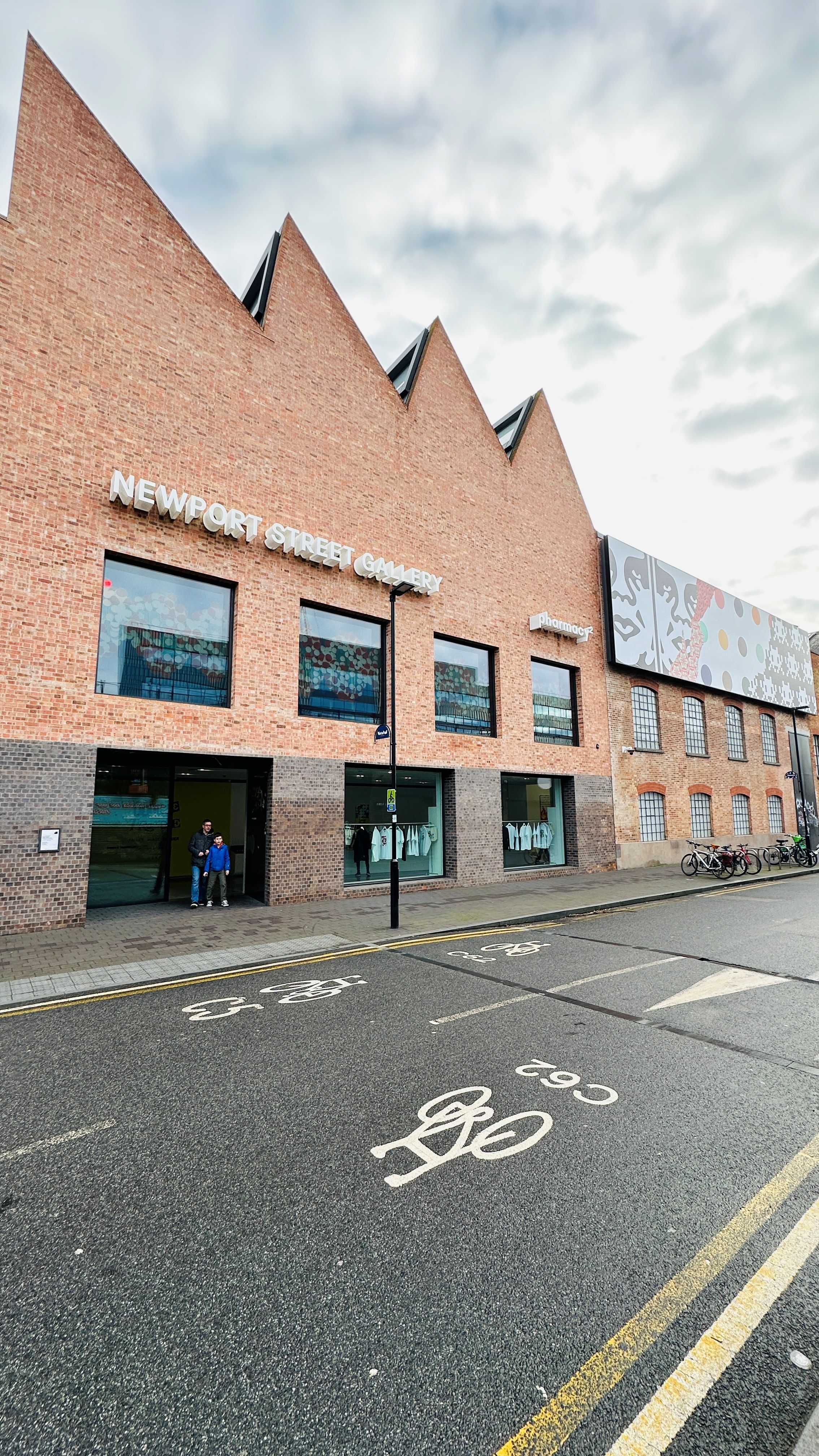
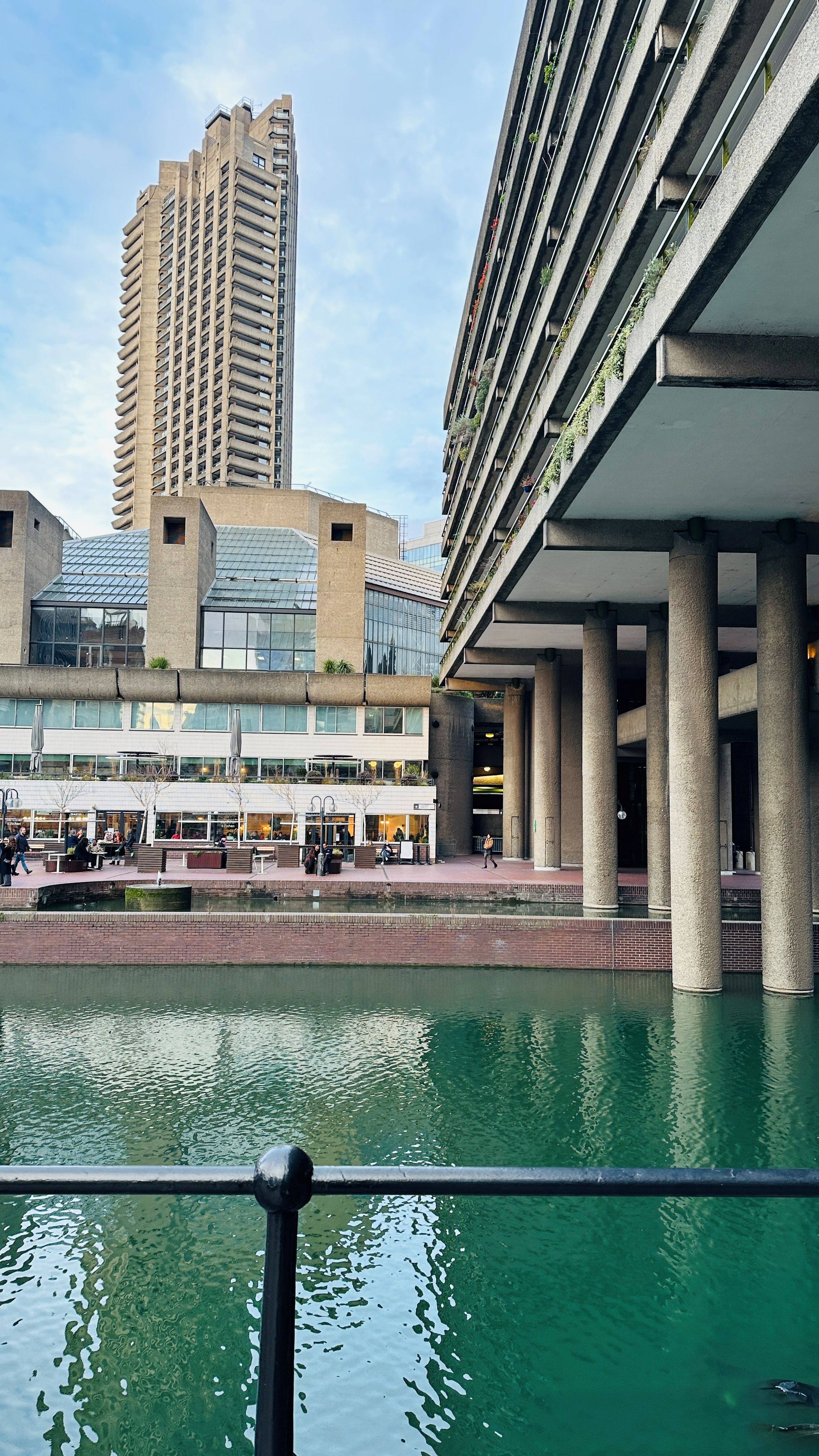
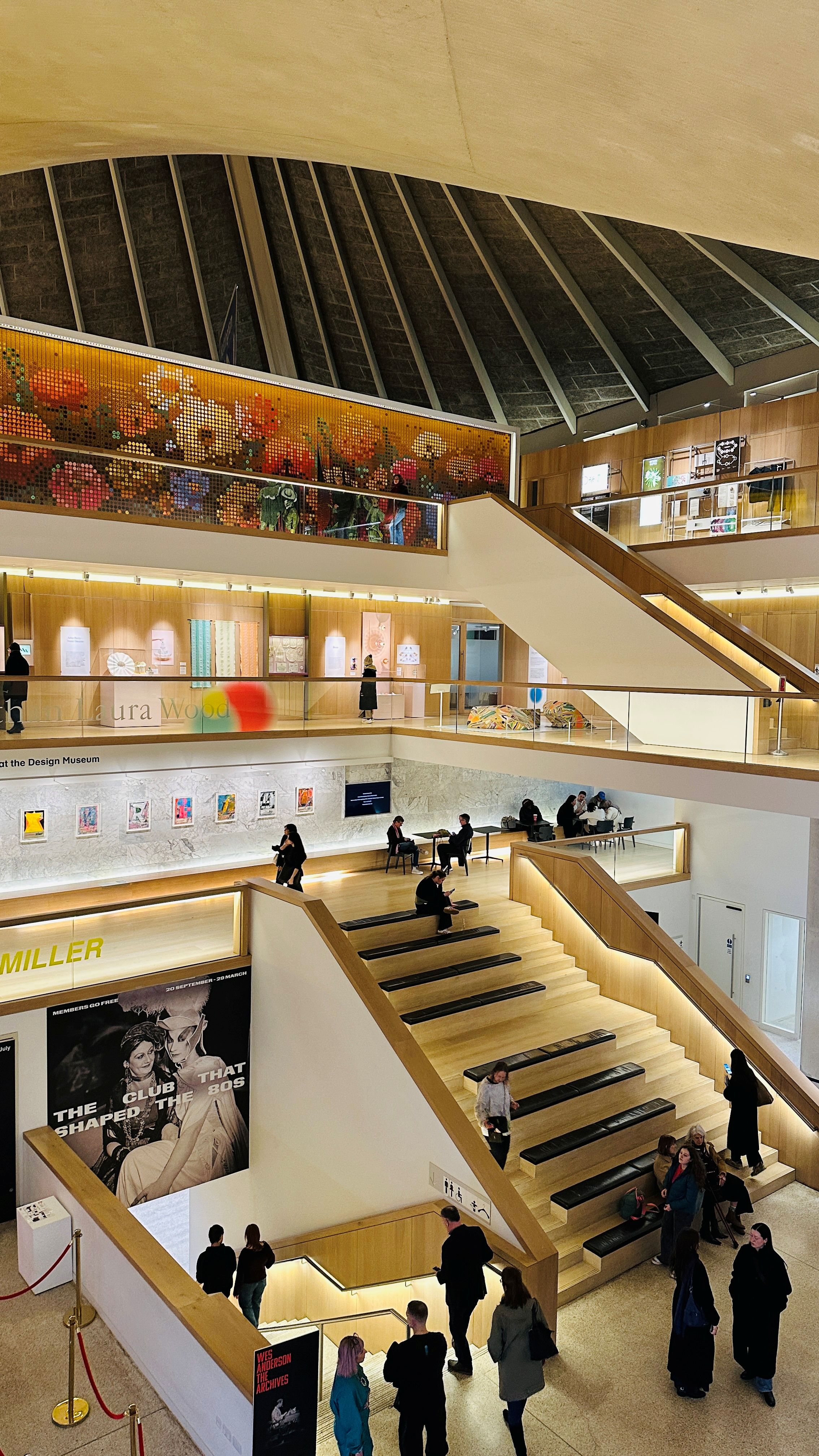
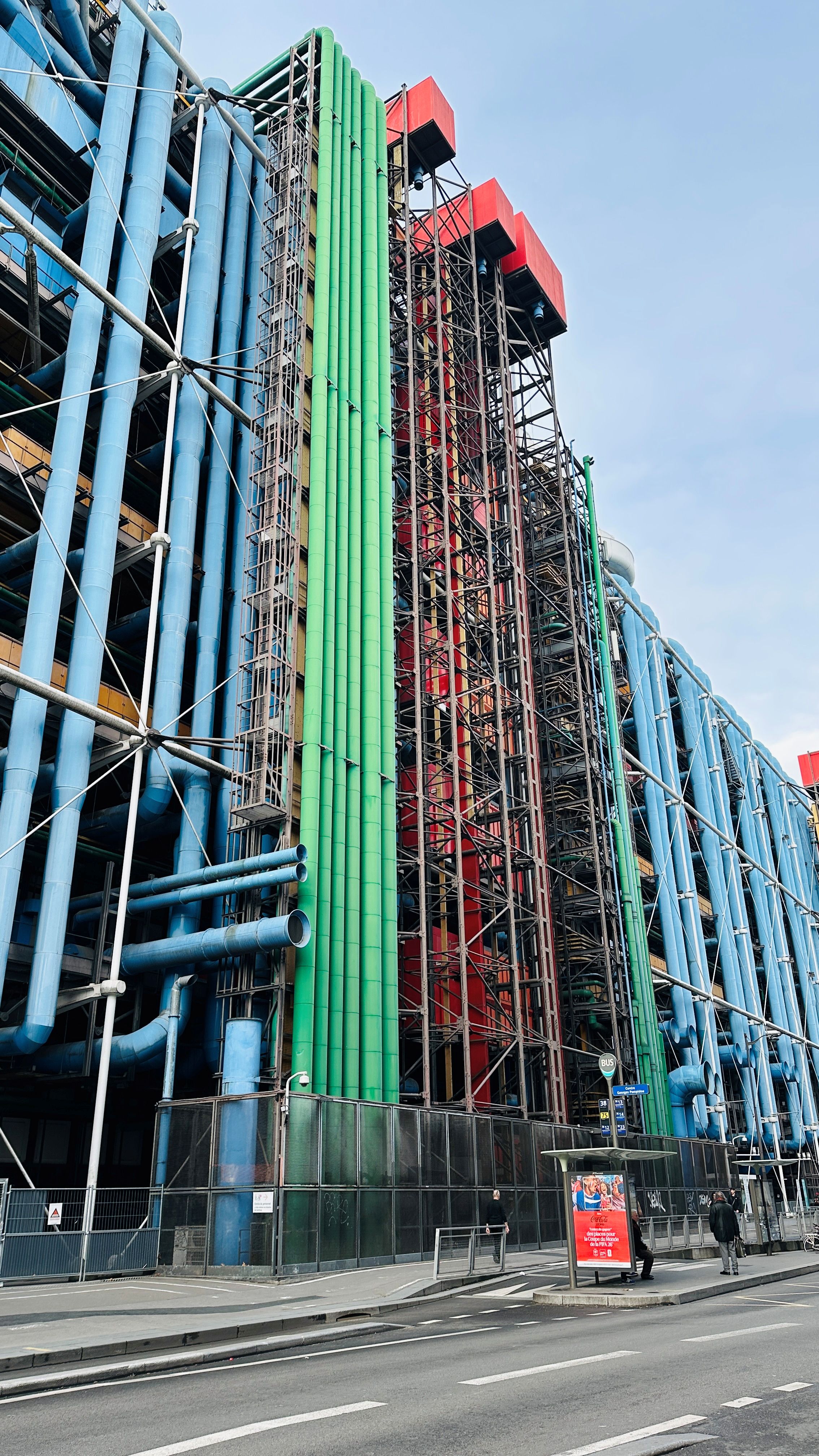
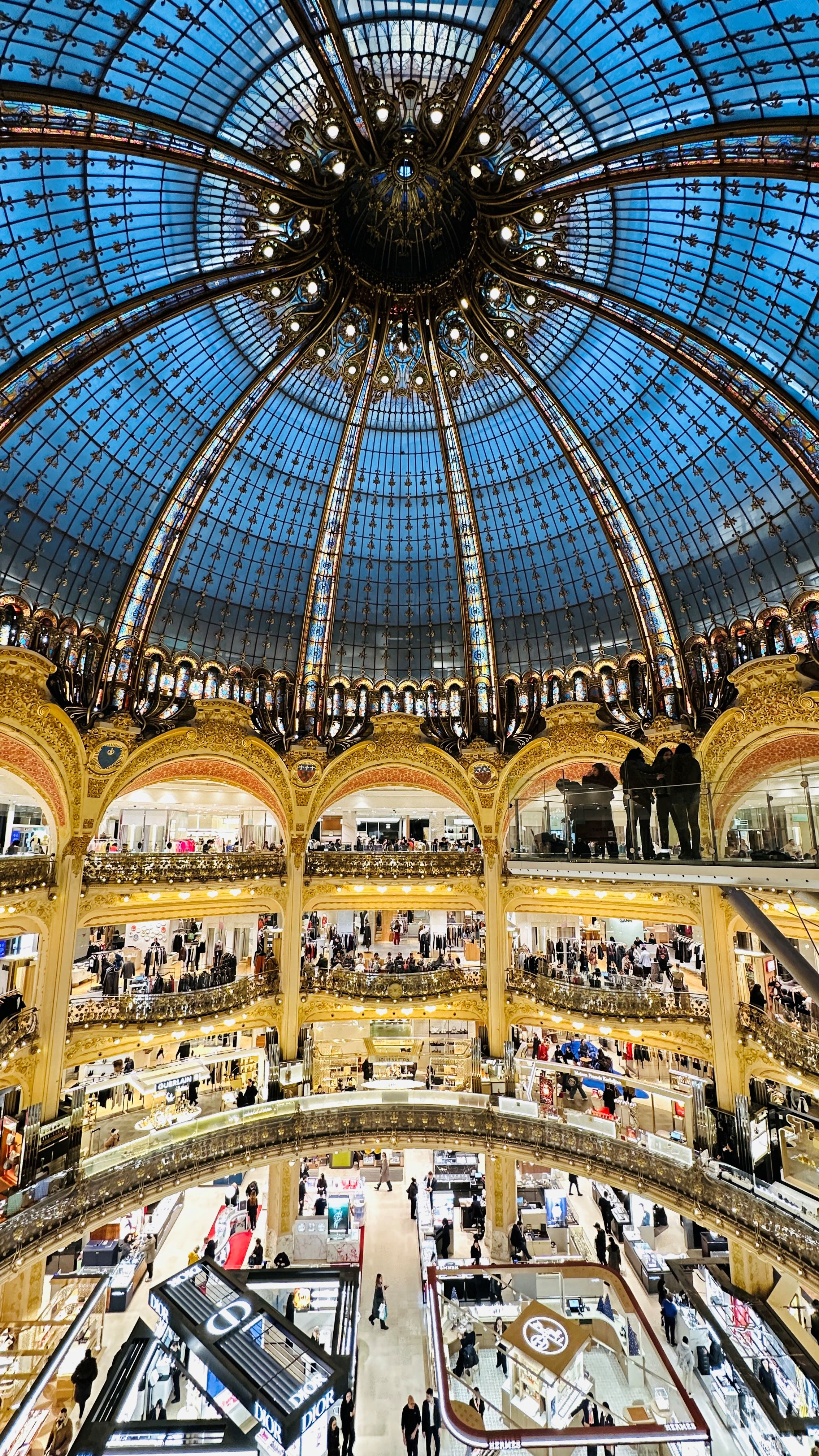
There are many more places I enjoyed visiting – Blackwell Bookstore, the North Wall Arts Centre, the Barbican, Newport Street Gallery, the Wallace Collection, the Design Museum, Petit Palais, Tate Modern, Serpentine Gallery (I didn’t know how compact it was!), V&A Museum, Sainte Chapelle, Notre Dame de Paris (after the restoration), the Panthéon, Basilique du Sacré-Cœur de Montmartre, Mémorial des Martyrs de la Déportation, Galeries Lafayette, Centre Pompidou (external only, of course), along with many other buildings and streetscapes that felt so special. It was wonderful to fit so much into a short period of time and make the most of the precious time in the UK and Paris.

 Saran Kim | Blog