During my time in Japan at the end and beginning of the year (2025-2026), I had a chance to visit a couple of places that offered a beautiful historical overlay on the local neighbourhood, away from the major tourist spots. One was the Sakyo district (Rakuhoku) in Kyoto, and another was Uchiko in Ehime.
Sakyo district, Kyoto
This time around, I had allowed only a day in Kyoto as a day trip from Osaka. While a visit to Kyoto can mean so many different things – Kiyomizu Temple, Gion, Nijyo Castle, etc., I decided to ask my dear friends in Kyoto for recommendations, the hidden gems in Kyoto. As they live in the Sakyo district, they gave me a list of places to check out in their neighbourhood. Although we couldn’t visit every place they recommended, we still had plenty of fun on the day trip.
The main attraction of the Sakyo district we didn’t want to miss was the tour of Shugakuin Imperial Villa. The villa is one of four imperial palaces managed by the Kunaicho (Imperial Household Agency, a Japanese government organisation), and was established by Emperor Emeritus Gomizuno-o in 1659. The villa consists of three sections: the Upper, Middle, and Lower Villas, and we were fortunate to tour all of them.
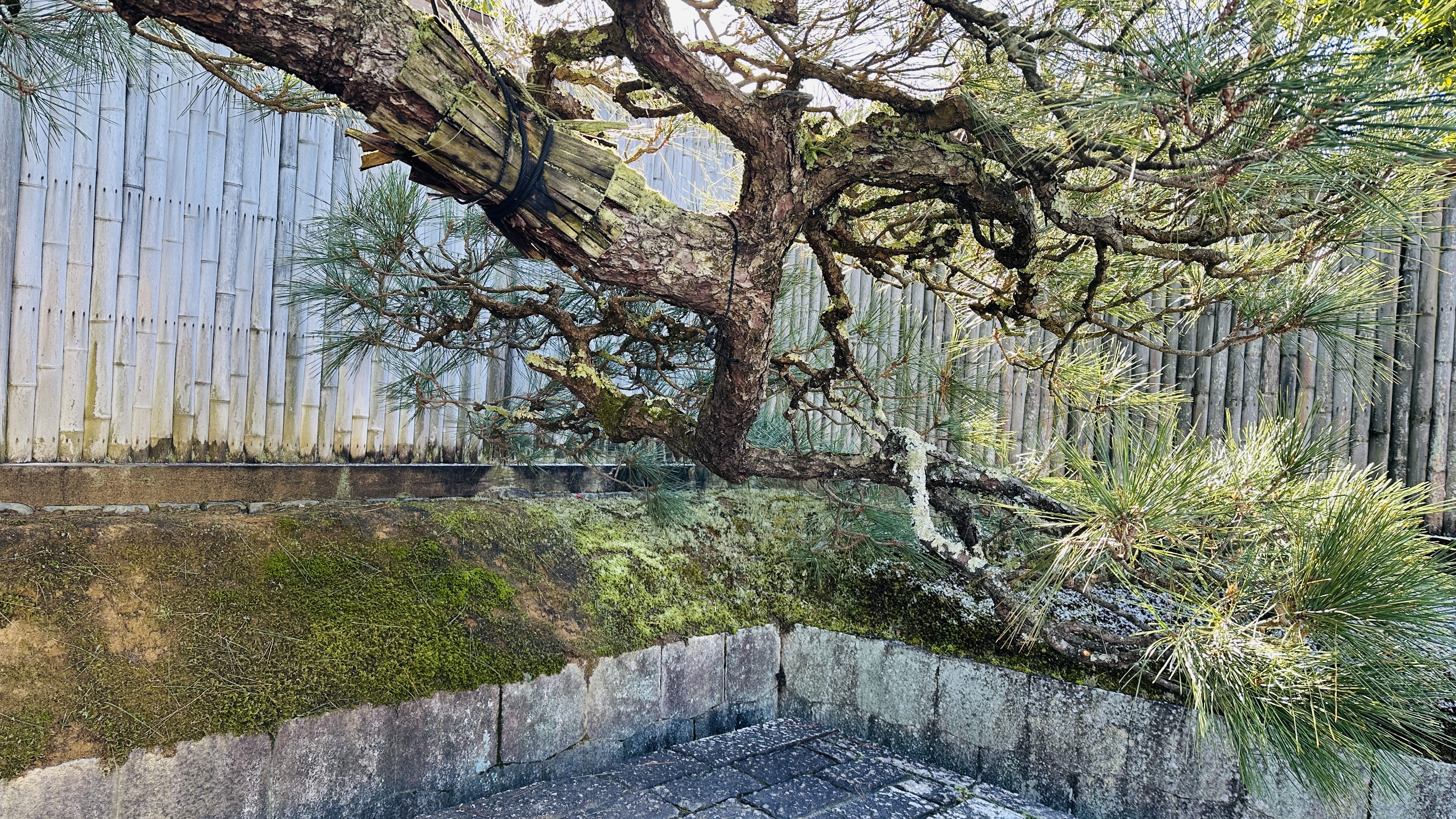
We arrived at the villa’s entrance a little before the tour booking time (reserving a spot on a tour online beforehand is essential). A magnificent cascading pine tree surrounded by bamboo fences welcomed us. Inside a tourism centre, before the tour, we stored any large bags in lockers. We sat on rows of benches to watch the introductory video, which summarised the villa’s historical and cultural importance. Along with brochures in different languages, they also had an English audio guide available for loan.
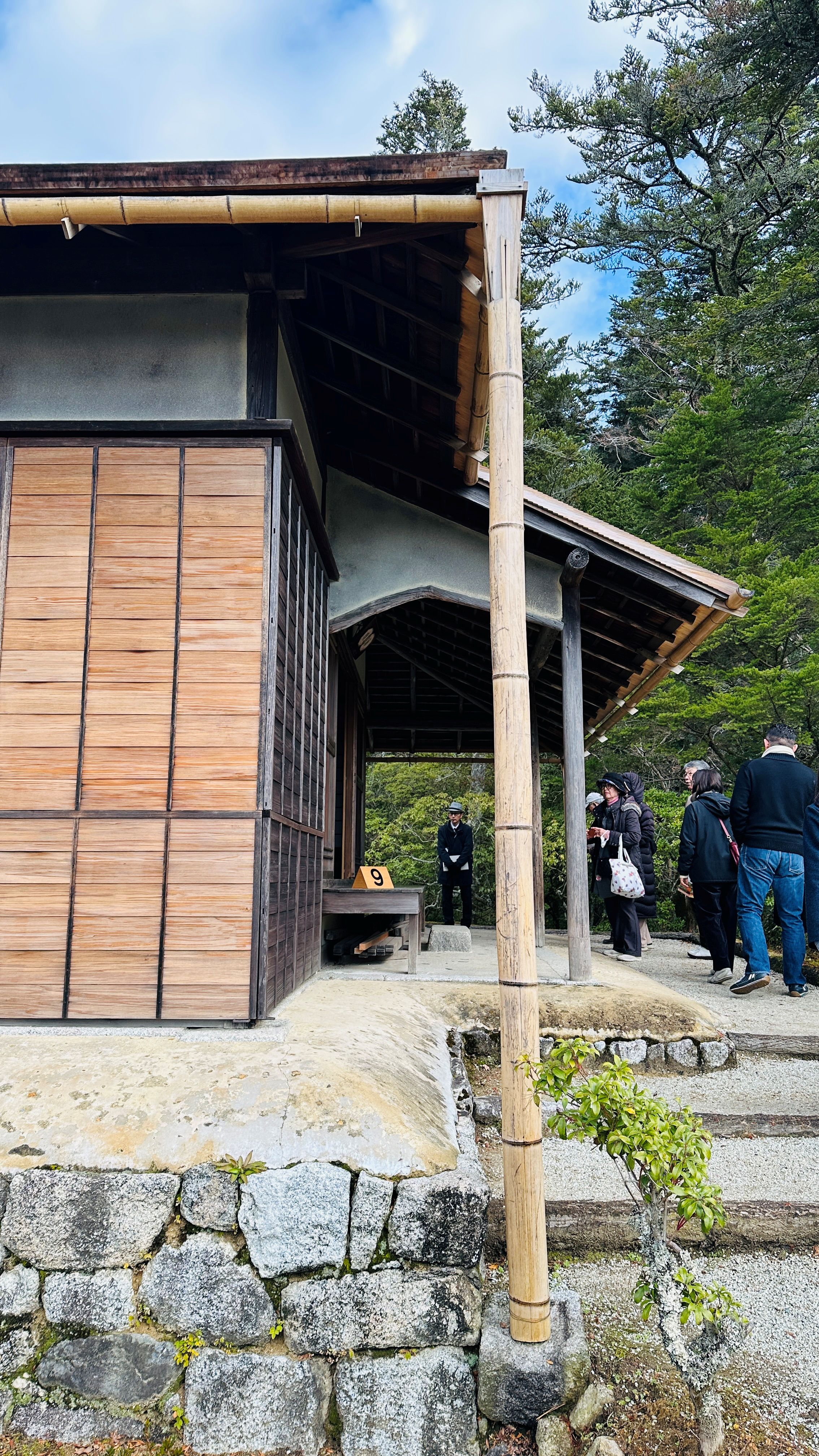
We walked through several gates (of various materiality and construction systems that I loved observing), up the hill, down the hill, along the footpaths lined with pine trees. While it’s not allowed to step inside pavilions, the tour guide invited us to sit on the engawa at Rin-untei, overlooking the beautiful Yukuryuchi pond, the Kyoto cityscape in the distance, and the stunning mountain ranges beyond.
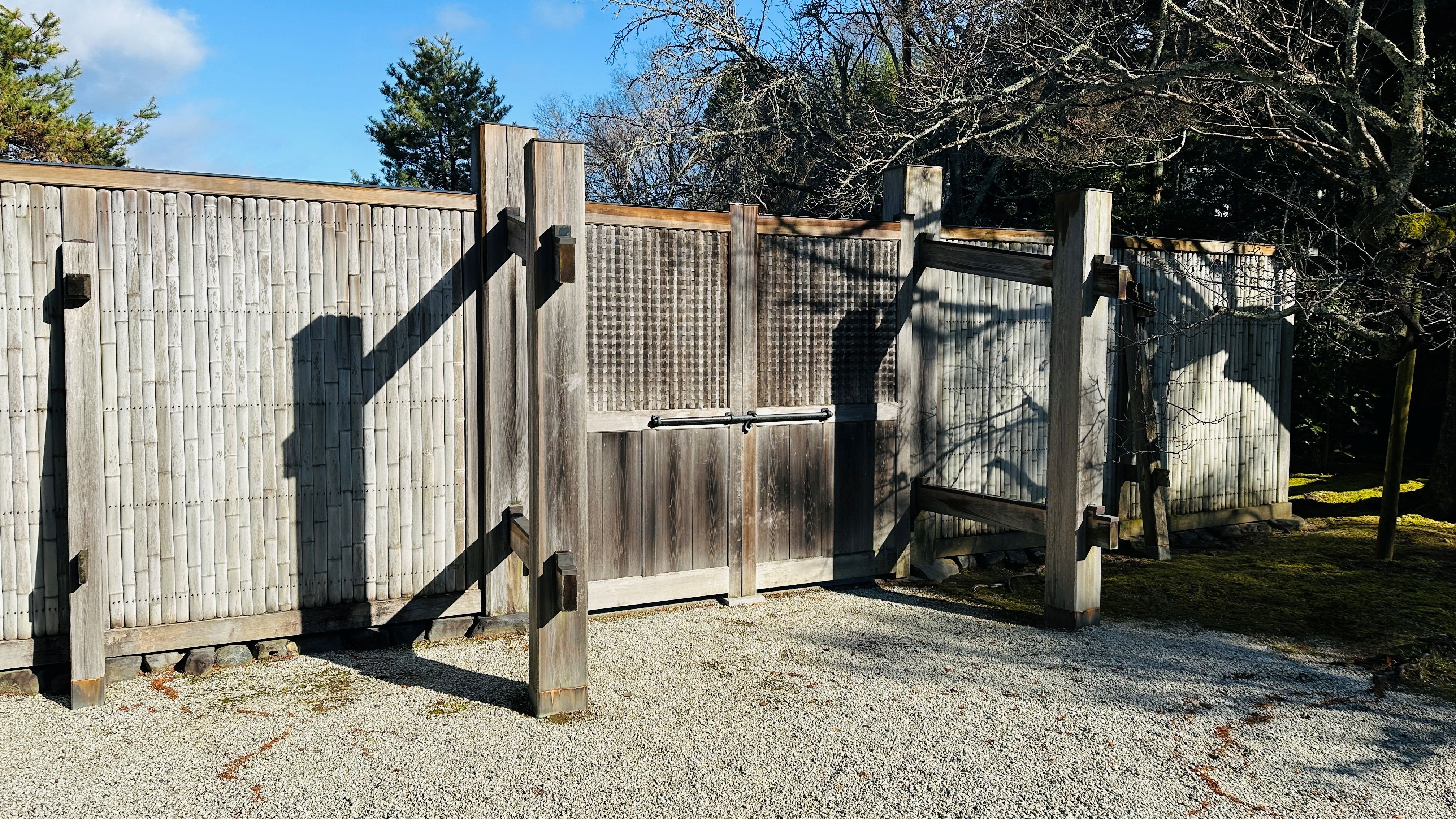
The architectural and landscape details of the pavilions are amazing to observe and learn from. Something as simple as a little bamboo bollard, or wooden device connecting bamboo gutters and downpipes, showed a touch of craftsmanship.
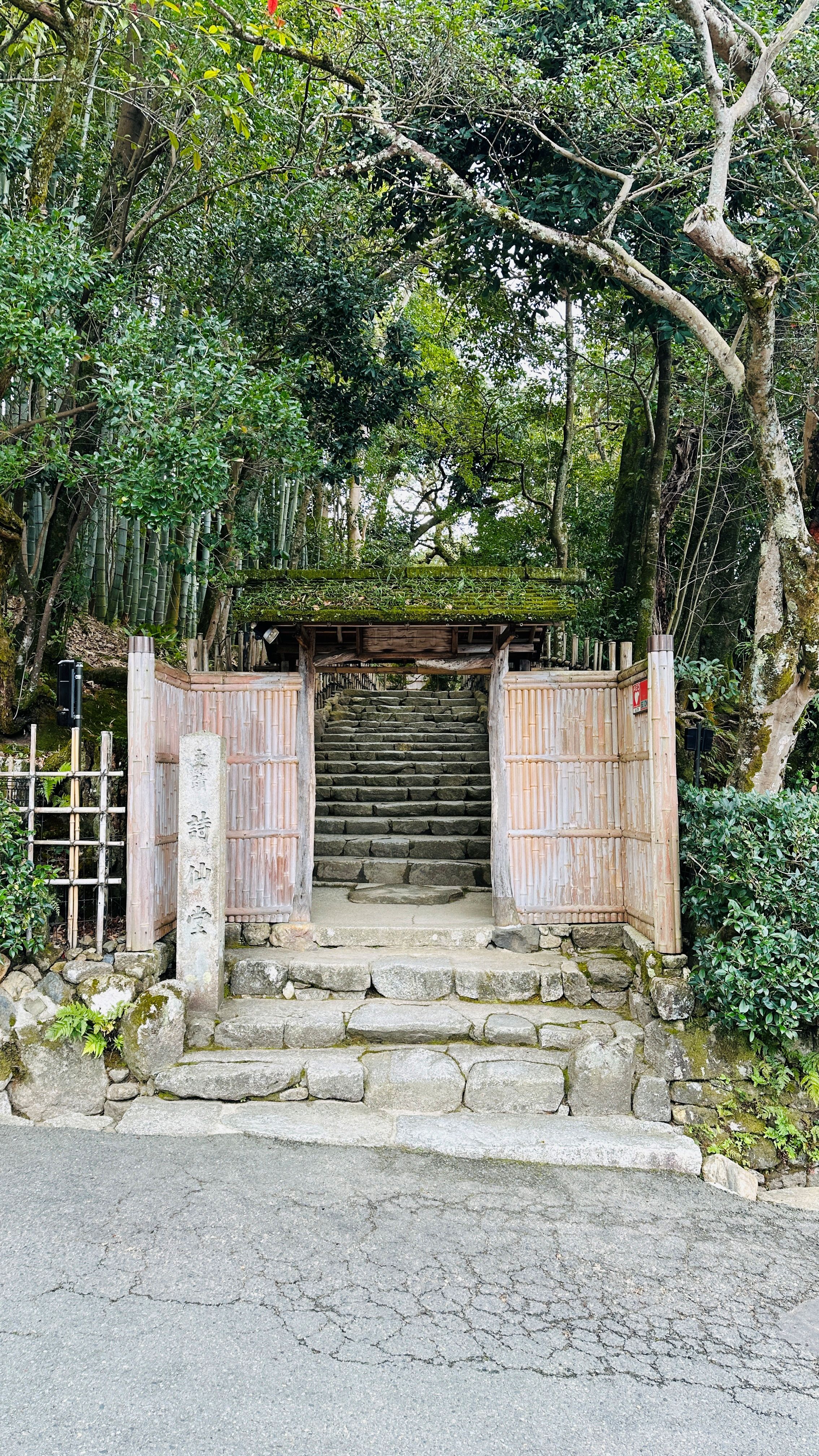
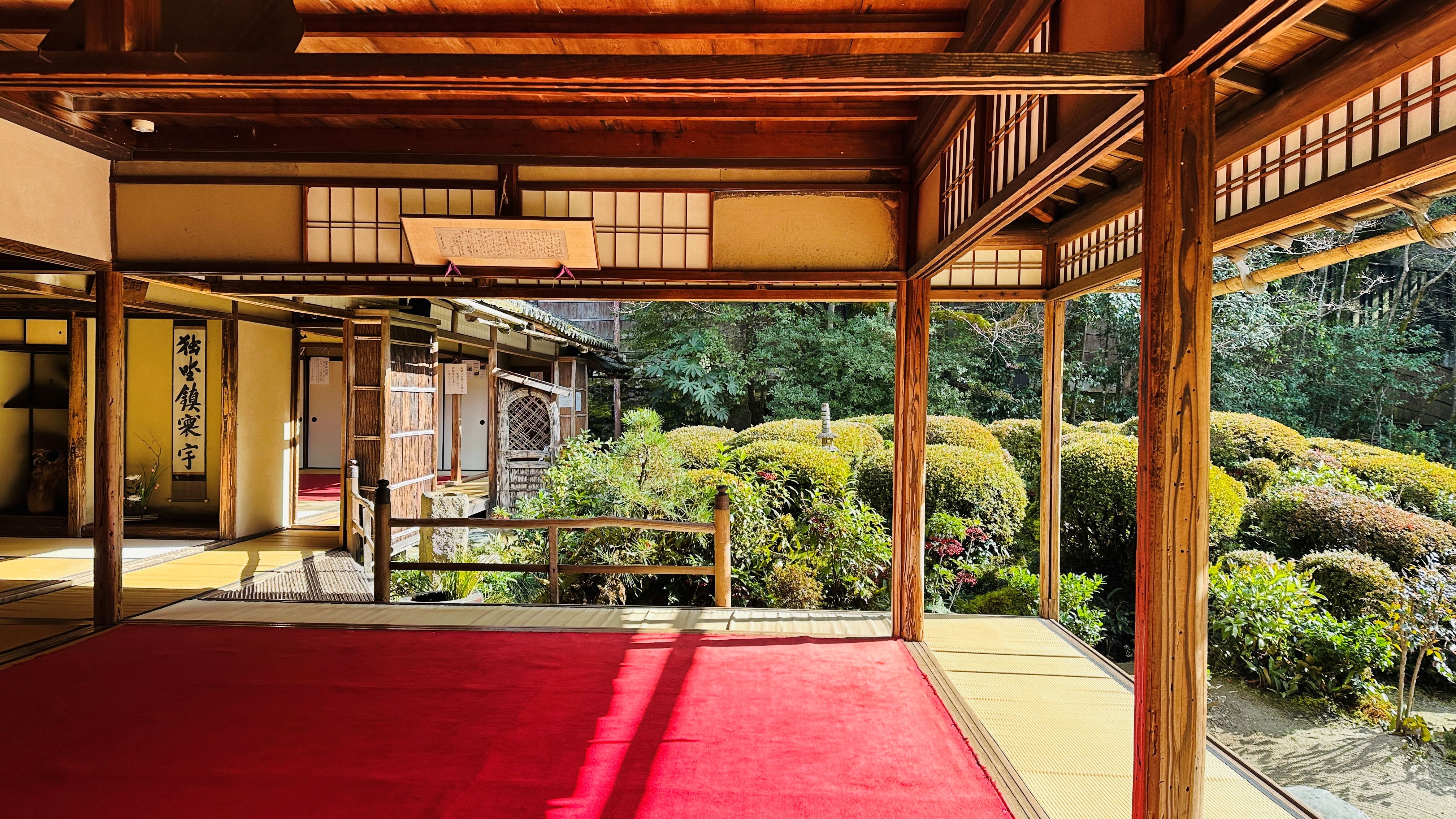
After the visit to the villa, we walked to the Shisendo temple, the ‘Hall of Immortal poets’. As Ishikawa Jozan, a scholar and poet, established this temple in 1641 as a mountain hermitage, the place offered a moment of meditation and serenity. The fully open, partitionless rooms facing the garden invited us to sit on the floor and appreciate the landscape and the sun. The sounds of water and the fall of shishi-odoshi from a corner of the garden created an omnipresent soundscape of movement, complementing the sun’s movement. And the silence of visitors heightened and enriched the temple’s sensory experiences.
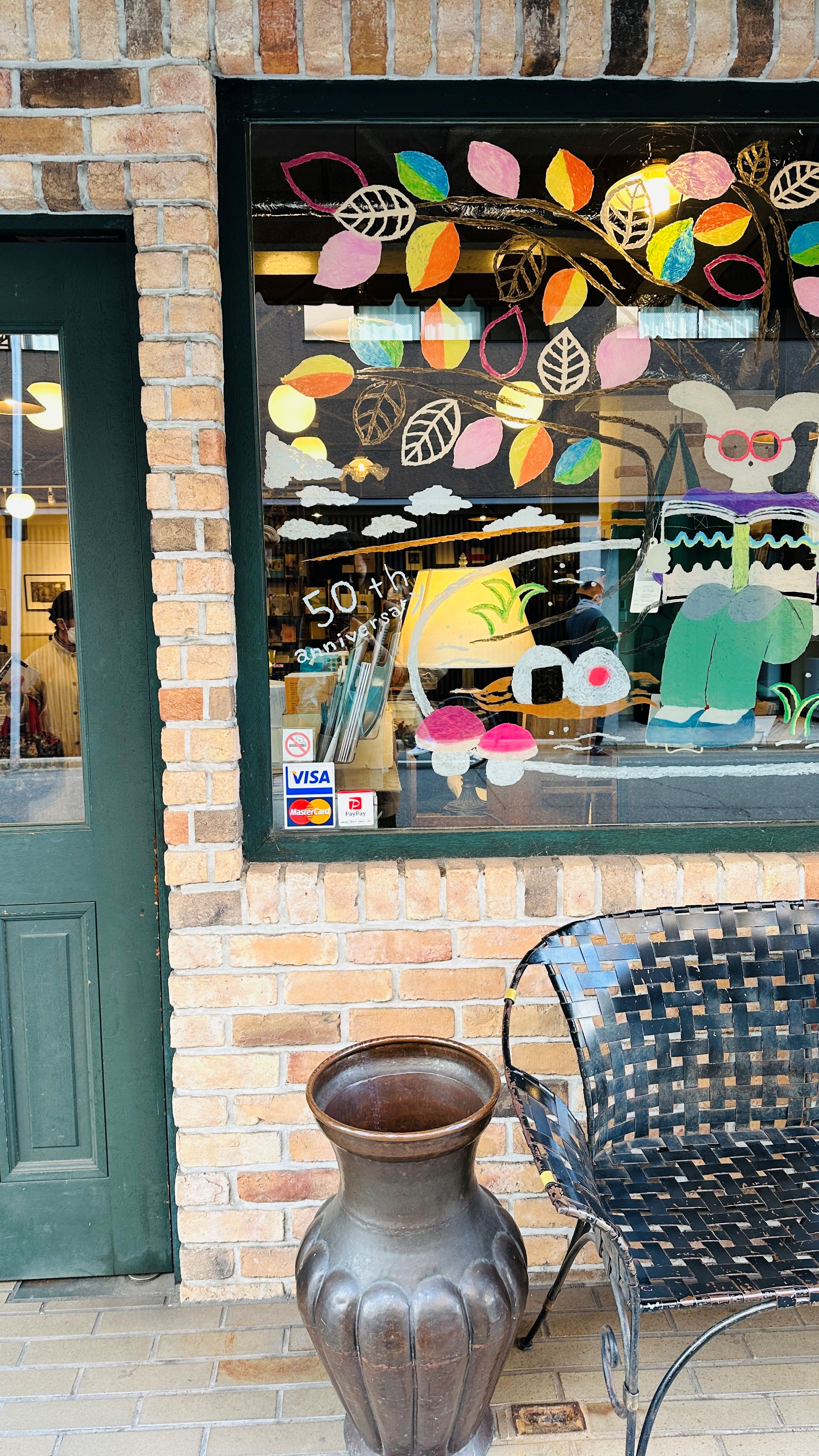
In the town centre, there was a bookshop called Keibunsha. The shop floor spanned two adjoining buildings, creating a spatial transition from one end to the other as you walked through and explored. A wide range of vintage and new timber furniture and bookshelves kept a well-curated selection of books, stationery and handmade items. The place was bustling, full of locals and visitors. The neighbourhood in the Sakyo district offered a refreshing, local experience in Kyoto that we quickly missed as we headed back into Kyoto city.
Uchiko, Ehime
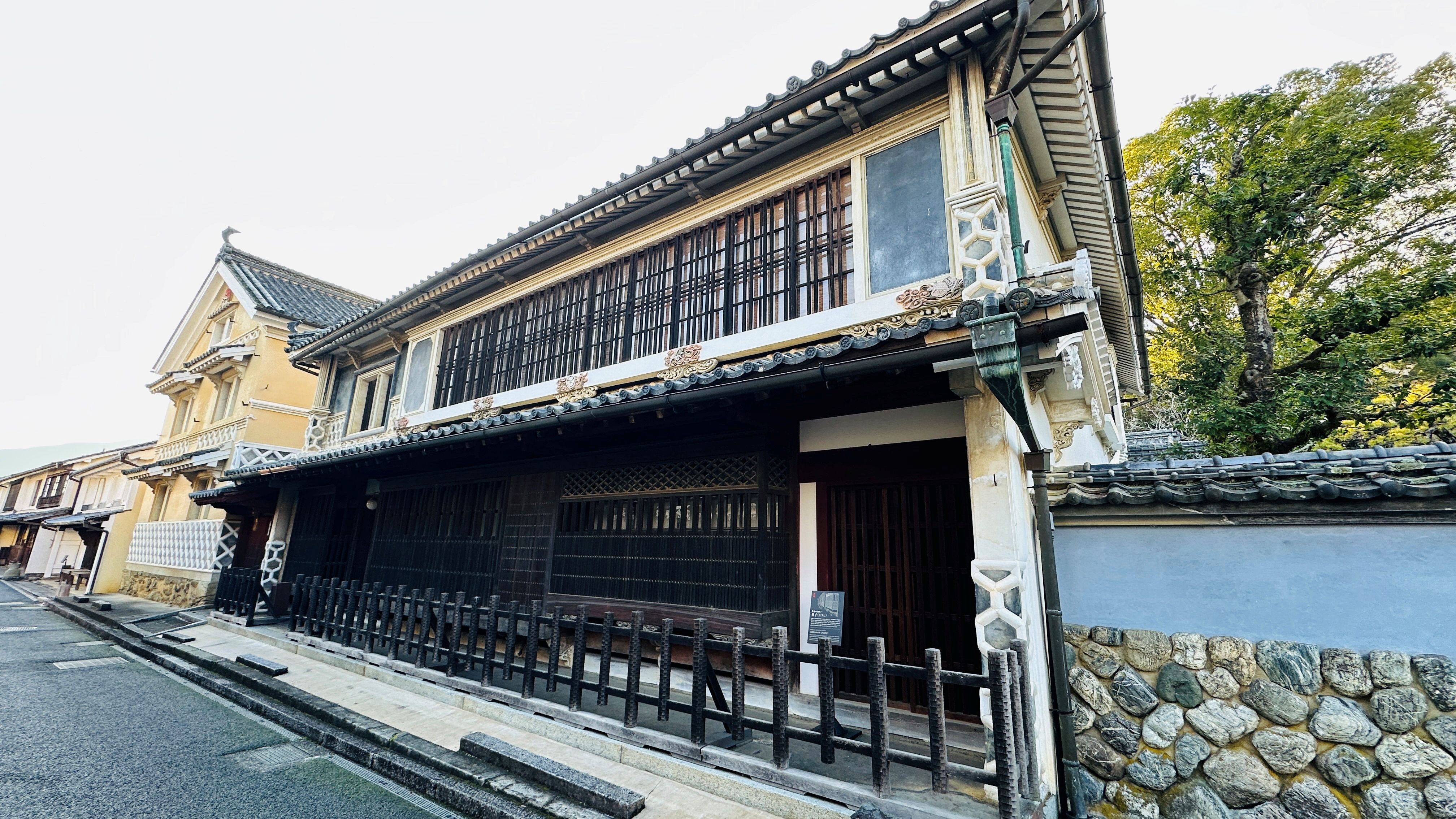
While staying in my hometown, Matsuyama, Ehime, my parents took us to Uchiko for an afternoon in the historical, heritage-listed district. Uchiko is a town approximately 40-50 minutes from Matsuyama by car, known for its wax production prosperity in the late 19th to early 20th centuries. The Yokaichi and Gokoku Historic District Preservation Zone features streets lined with historical merchants’ houses, many with gorgeous facades adorned with plaster mouldings called kote-e (plaster relief), timber batten screens, and diverse roof tilework. The unity of the streetscape originates from the consistent material palette, with a stark contrast between black (timber and tile) and white (plaster). Even though some of the residences are quite large, the fine-grain facade and modest building forms give a down-to-earth, local neighbourhood feel.
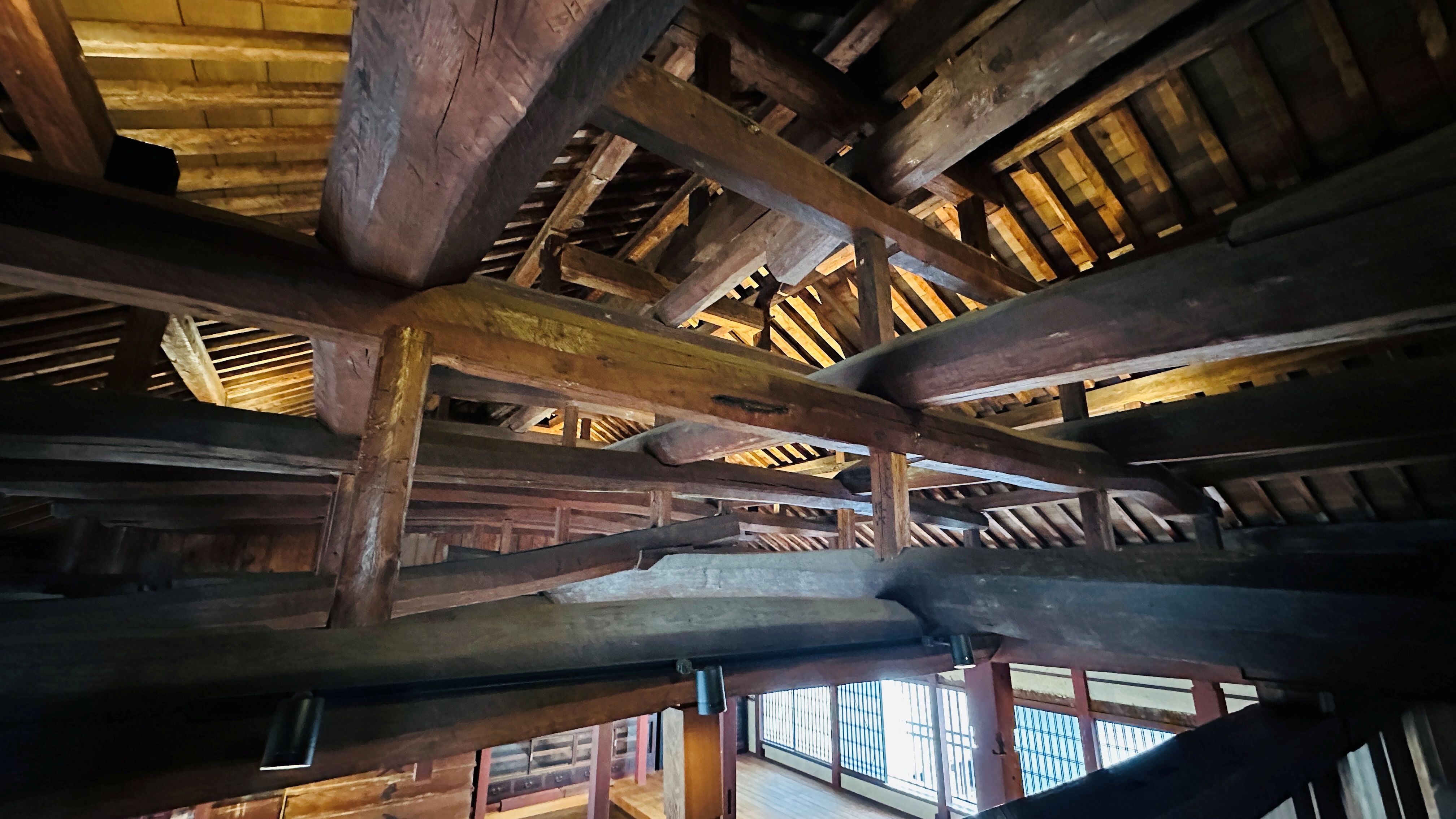
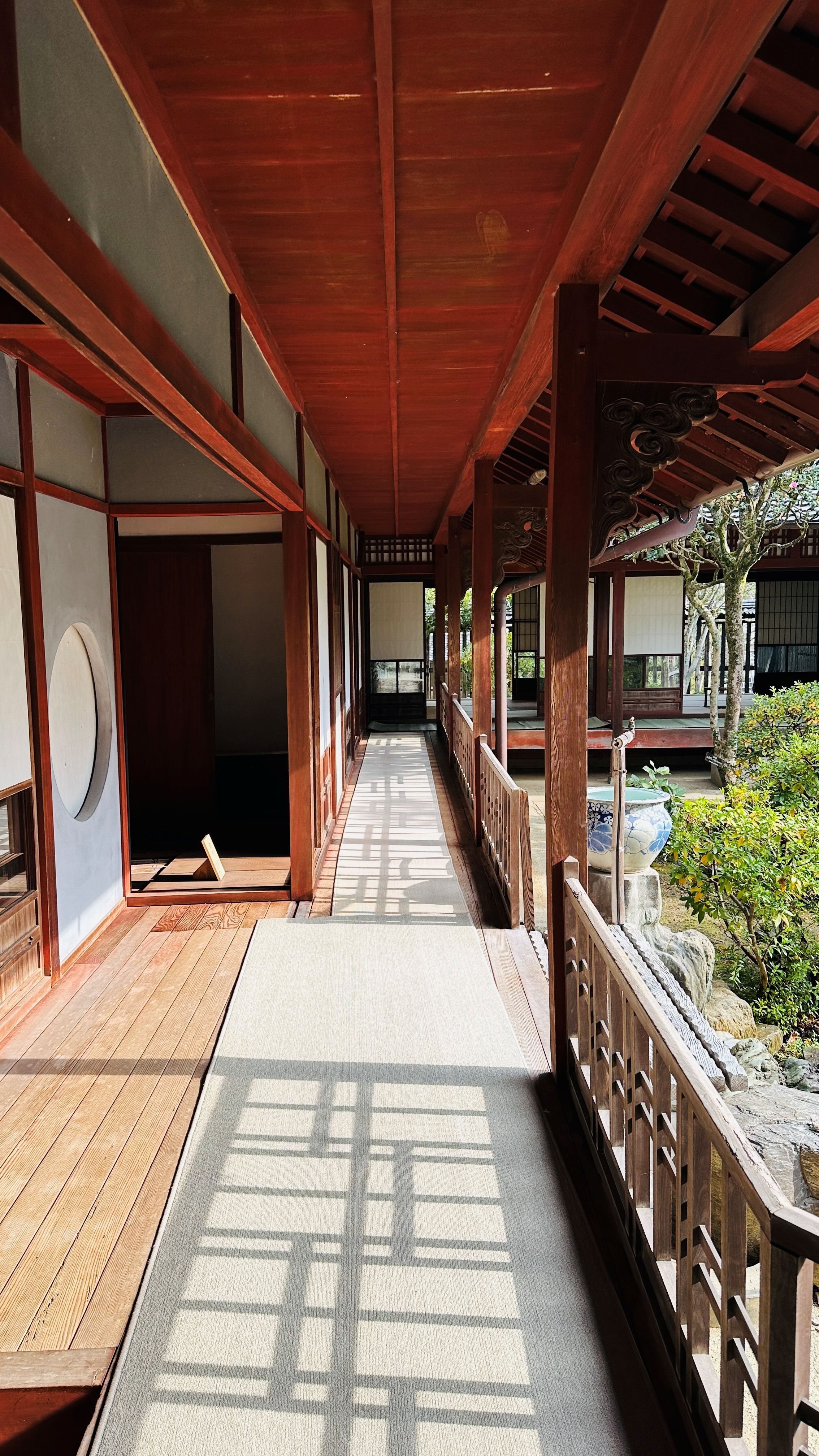
It is home to the Japanese Wax Museum (木蝋資料館) and the Kamihaga Residence, where the domestic environment of a notable, wealthy merchant family and the wax factory operation are preserved for display. The house featured a lush courtyard garden, bringing light into the rooms connected by a perimeter walkway. The third floor had an exposed traditional timber roof structure, made visible due to the incomplete ceiling work at the time of construction. Having access to the roof space gave me a fantastic learning opportunity from an architectural perspective. In the back-of-house area, all the cooking apparatus, along with fireplaces for stoves, were on display. The extent of conservation work the museum has undertaken is truly impressive and eye-opening.
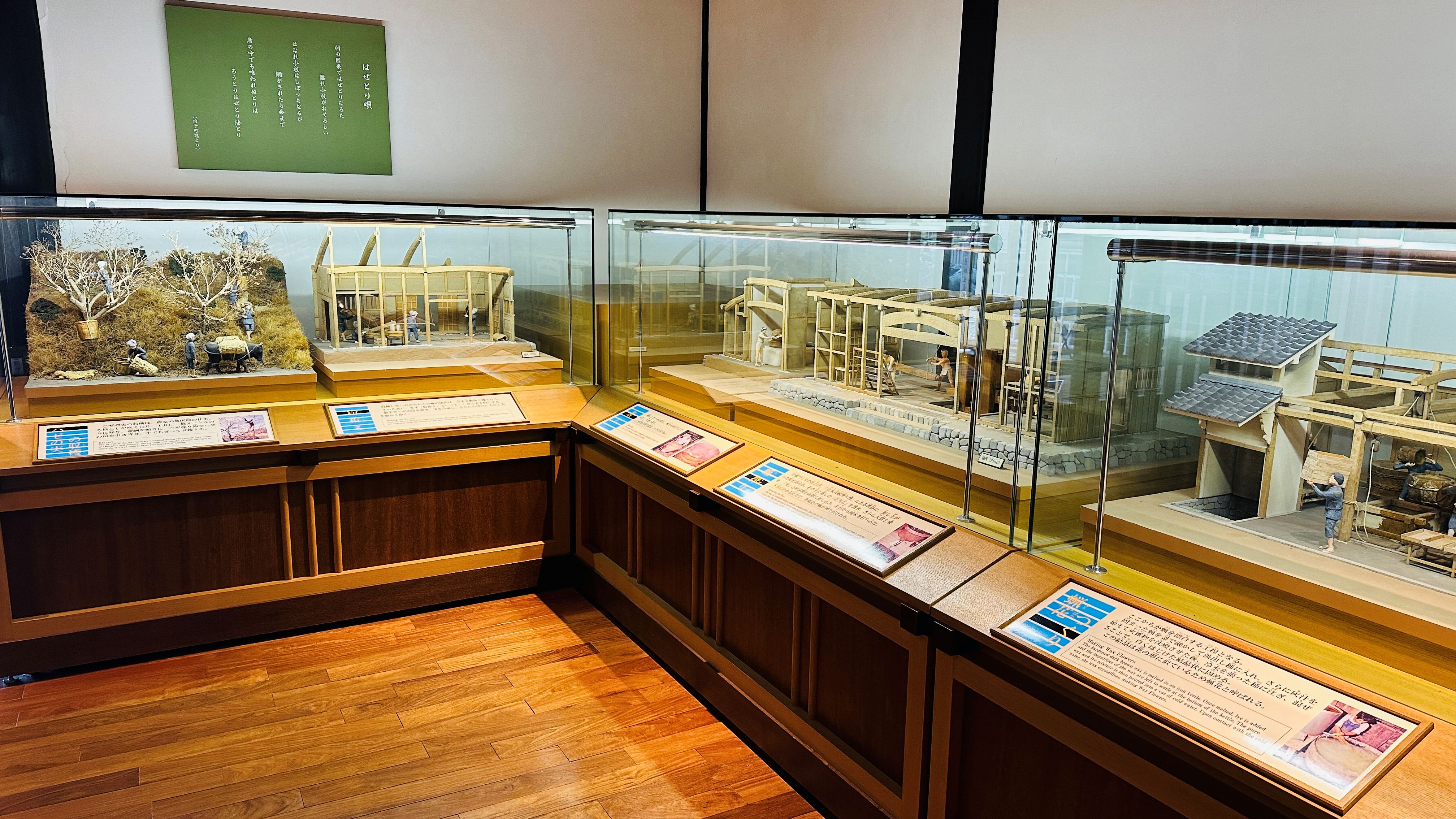
We were even more mindblown by the Japanese Wax Museum within the residence’s complex. The large-scale dioramas depicting the process of wax production, including the buildings housing specialised equipment, conveyed how sophisticated and massive the wax industry was in Uchiko. The exhibit highlighted numerous innovative ideas that distinguished Uchiko’s wax from the rest in Japan and around the world. There were some artefacts from the international trade shows, such as the 1900 Paris World Expo, reflecting the popularity of Japanese wax at the time. The museum went above and beyond our expectations on multiple levels.
The visit to these two neighbourhoods and writing this article made me reflect on the idea of ‘a hidden gem’. While the Sakyo district is part of the broader Kyoto and would not have an issue attracting more visitors if they wish to, I wondered whether the local community chooses to prioritise the beauty of the mountainous landscape and local lifestyle over tourism. On the other hand, Uchiko is one of the rural towns in Japan under pressure to redefine its unique characteristics and attractions to boost the local economy through tourism. Being discovered is part of the survival strategy, and therefore, conservation of historically and culturally significant artefacts and buildings is a high priority. I found the diversity of places that can be called ‘hidden gems’ so fascinating, and I would love to continue exploring many other ‘hidden gems’ in Japan and beyond.

 Saran Kim | Blog