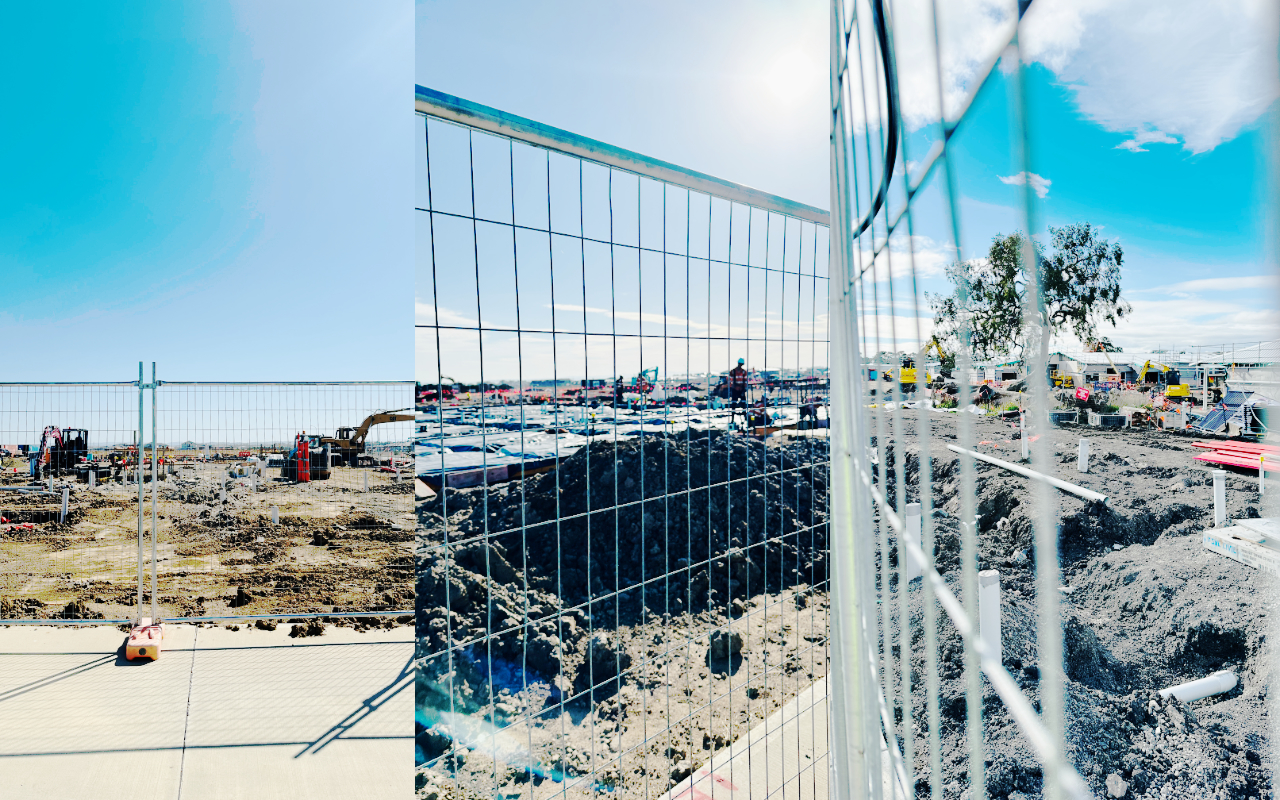
If one says that practice makes perfect, the last six months have been among the most intense periods of working in practice, learning the intricacies of contract administration.
Working on a public school bundle project from its very early days to the construction stage alone is extremely rewarding, especially when the project will accommodate thousands of students from year 1. However, as this project is my first opportunity to learn contract administration, it has been a very steep learning curve. I have been navigating the nuances of contract language, serving as the last line of defence to mitigate on-site issues as much as possible, and troubleshooting problems with the contractor as a team. This account, for the most part, serves as a time capsule of my experiences and thoughts.
Nature of the project and language
Each project has a unique building contract with a specific project program (timeframe), so every contract administration experience would vary. Under a Design and Construct contract, after the novation, I have become part of a team working with a builder as a consultant (partial CA service) for three new schools, two early learning centres and a kinder. The language used in the contract administration stage had to be very specific, such as ‘observation’ rather than ‘inspection’, ‘to recommend/suggest’ instead of ‘to instruct’. For me, it was also the process of learning to write correspondences and records with contractually appropriate language and structure, including clarifying whose advice it is, stating compliance and brief requirements (and sources of those requirements), and flagging potential risks associated with proposed changes, for example. There were times when I had to remind myself to pause and not jump to a ‘yes/no’ conclusion too quickly. Often, the responses required a degree of investigation to gain a more holistic understanding of the situation, including relevant standards and NCC requirements involved.
One of the lessons I learned was to ensure that I’m across not only the architectural documentation and specifications but also the subconsultants’ work, especially where their inputs interact, and to seek clarification on site. For example, how do services run through roof trusses and penetrate through acoustically treated and sealed walls? What if there’s a fire-rated wall? Being aware of how subconsultants’ inputs relate to each other has helped me identify potential challenges on site.
Time vs thoroughness of review
For a few months early in the year, the team of four was dealing with a stream of shop drawings for three sites and 11 buildings (with varying Shelter-in-Place and BAL-19 requirements). The sheer quantity of documents and drawings was overwhelming, especially when trying to determine what to review and how to do so simultaneously. Additionally, understanding the expected level of thoroughness was essential for balancing the time limitation and meeting quality benchmarks.
I found that establishing a review system – knowing what to check/confirm, where to find that information in the documentation, and ensuring that all shop drawings of the same discipline and components are reviewed and commented on consistently – was critical. Creating a shop drawing checklist to record the review process for each type of shop drawing helped communicate and assist team members within the team.
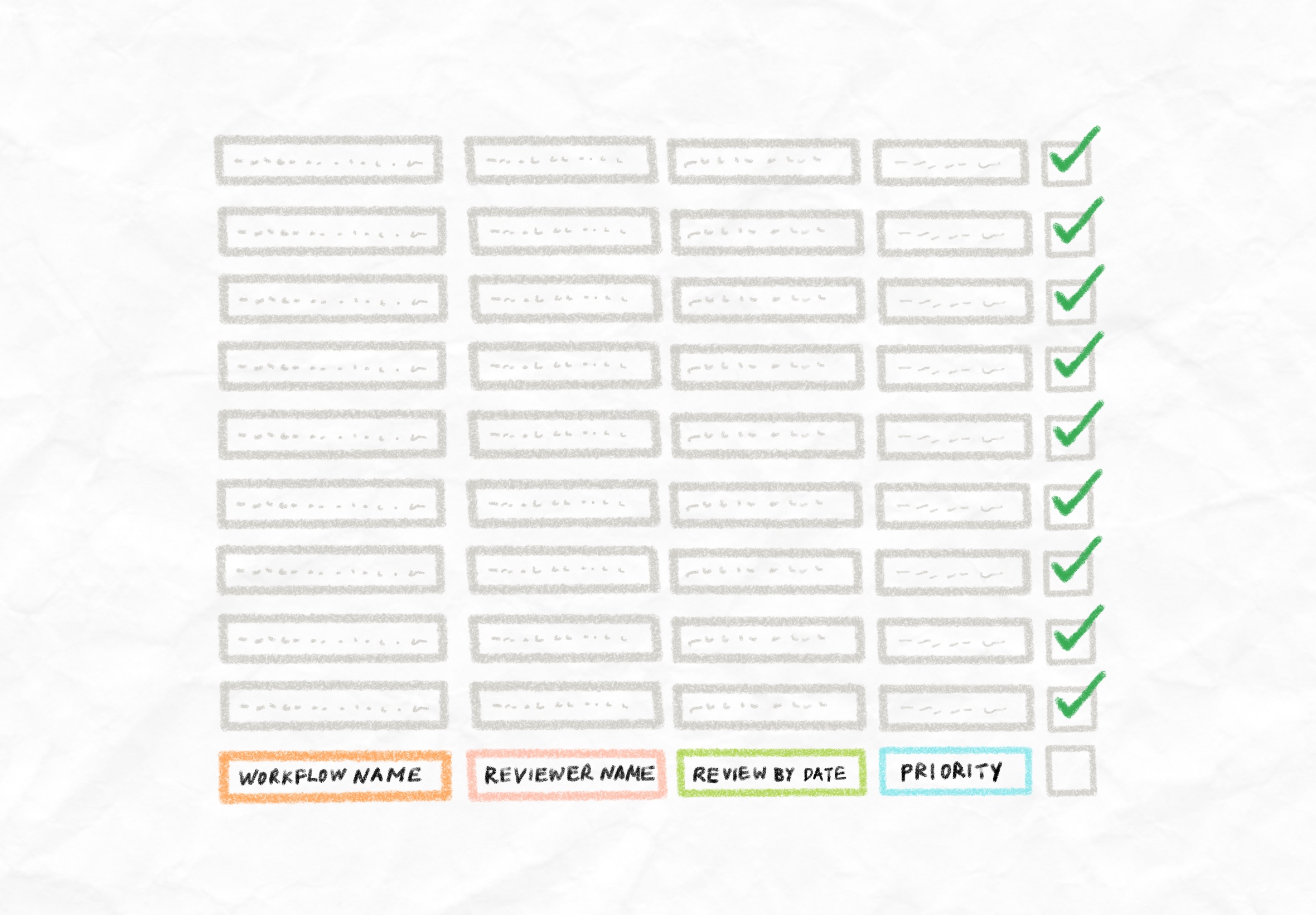
It has also been wonderful to have a ‘divide and conquer’ approach, combined with the team lead checking the shop drawing reviews before they’re submitted (a quality assurance system). A spreadsheet listing the shop drawings received, levels of priority, reviewer names, deadlines, and ‘complete’ tick boxes ensured the transparency of progress and short- and mid-term planning, which kept us on track during the busiest time.
Reflection of the quality of one’s work
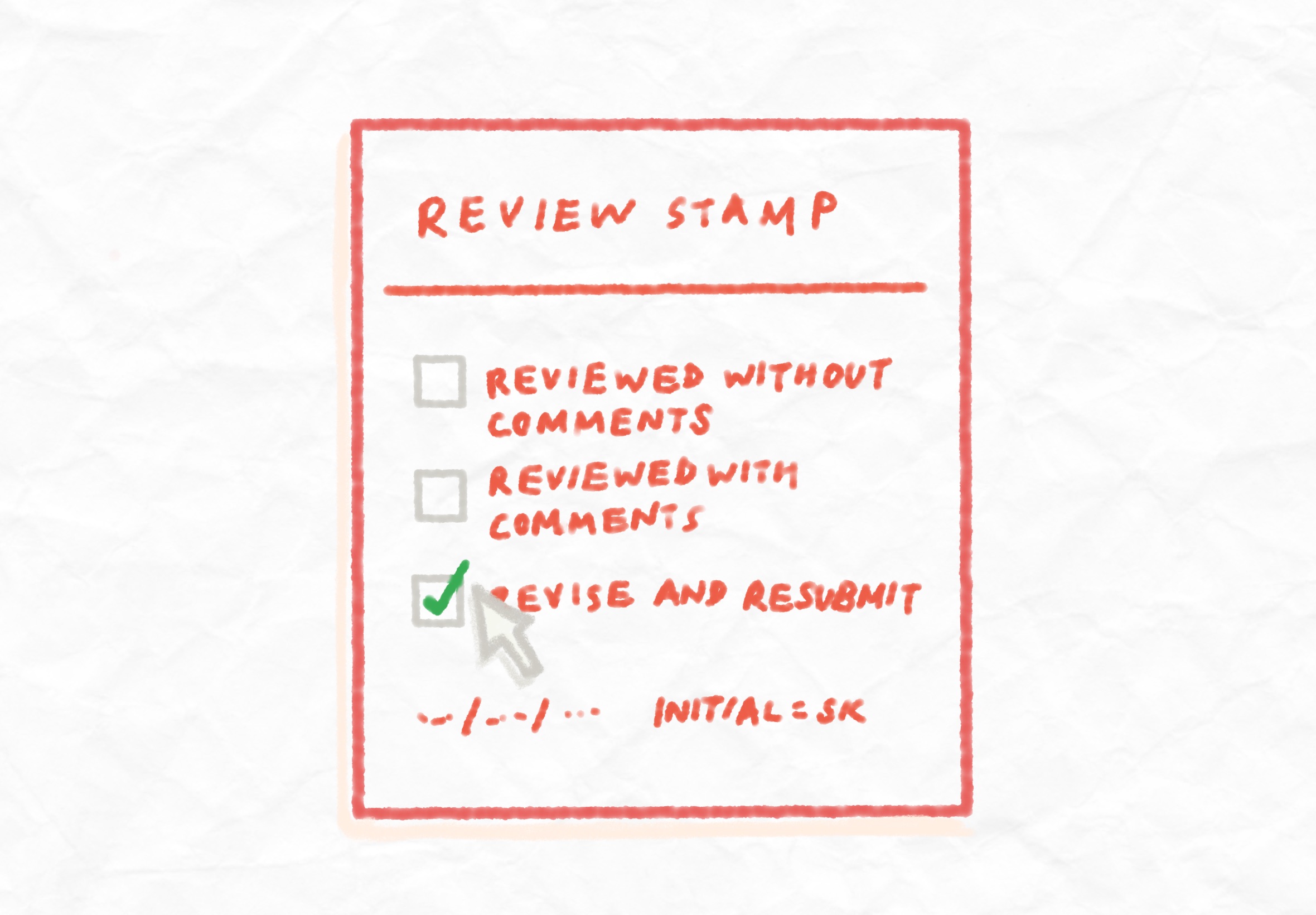
I found the experience of reviewing shop drawings to be demanding yet fascinating, as they serve as a reflection of the team’s documentation.
When marking up and commenting on subcontractors’ shop drawings by referencing contract documentation (drawings, schedules and specifications), I have encountered cases where I could understand why subcontractors might have got confused. Sometimes, minor discrepancies or errors occur due to Revit families or tags failing to auto-update, which are often unintended technical glitches that can only be identified by examining every detail in comparison to the provided shop drawings.
These circumstances have become opportunities for me to reflect on the documentation process and identify aspects of documents that require extra layers of cross-checking. Furthermore, these opportunities prompted me to consider ways to ensure legibility, clarity and thoroughness (as much as possible under one’s control), asking myself how different types of fixtures could be better displayed and labelled, how to eliminate uncertainty regarding the sufficiency of space between roof structures and ceilings, and what details could be improved. It will become new seeds for my growth as I will carry the lessons learnt to future projects, applying learning in practice and continuing to enhance the quality of documentation.
And the learning continues…
I’m grateful for the challenging yet rewarding experience of contract administration with the team of equally enthusiastic, patient, and resilient colleagues. I look forward to seeing the project handed over to the client in a few months and celebrating the beginning of the new schools’ journeys.

 Saran Kim | Blog