Sometimes, I wonder if navigating a career is more like sailing on a dinghy across a vast ocean than following a footpath. While there is a lot of learning through working in practice full-time, keeping up with new projects and industry news, and studying architectural practice, it feels like the wind is blowing from all directions, making me feel exhausted just by holding onto a line and a tiller not to be capsized or overwhelmed. The compass seems to be always obscured for a good reason, and finding a place of refuge or a moment to pause requires more courage than to keep pushing myself.
The one-day symposium Stories of Earth: Echoes in Architecture by Glenn Murcutt Architecture Foundation in Sydney on 14 September felt like a moment of contemplation I needed. Marina Tabassum, Niall Mclaughlin, Rick Joy, and Marusa Zorec, four architects from the US, the UK, Slovenia, and Bangladesh, shared their perspectives on the places they practice, design approaches, projects, and their experiences on a three-week road trip across Australia with Peter Stutchbury.
While what they discussed in their talks was fascinating, their ways of thinking and seeing the world particularly made me reflect on the essence of architecture I try to hold dearly.

Observation of landscape & observation of human relationships with places
Whether it’s a series of levelled paving edges in a neighbourhood, marks of a sleeping bag on red sandy land, or eroded sedimentary strata, the architects showed images and videos of places, capturing their connections to places. Their curious eyes for moments of joy, beauty and realisation in everyday life suggest a poetic attitude that embraces the power of observation and internalisation of discovered architectural moments as part of their philosophical position in practice. It was great to hear them reiterate how their architecture has been shaped by who they are – learning about their appreciation of simple life, landscape, music, art, literature, and all kinds of beauty, enriched by travel and exploration, helped me better understand their architectural practices.
Deep knowledge of the history of places
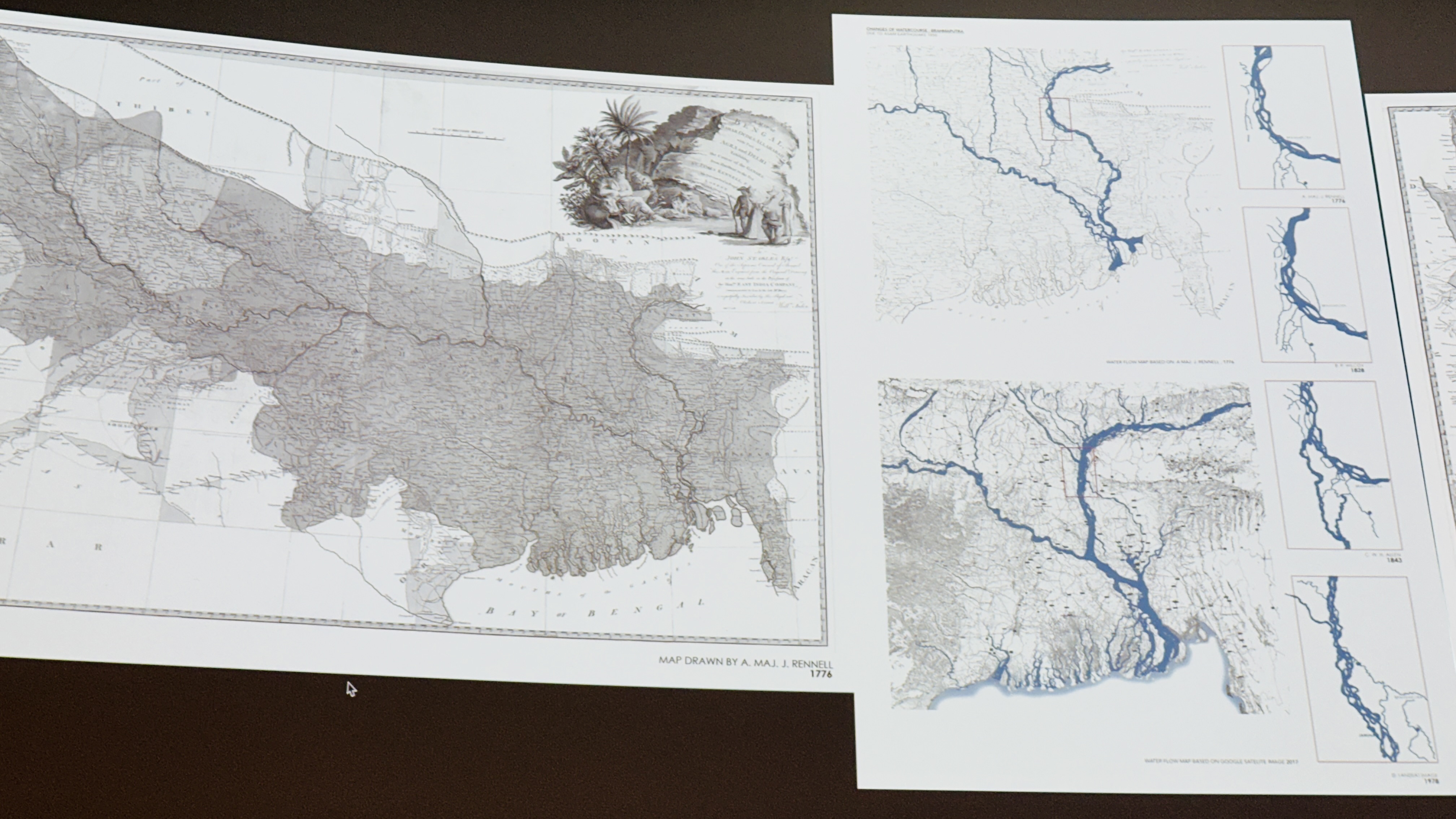
The talks highlighted the places and their historical, cultural, social and religious contexts in which four architects practise. For example, Marina shared the stories behind the Himalayas and Ganges Delta in Bangladesh concerning their hydrological systems, the ever-changing nature of water courses and the conflict against the colonial static land ownership system, which revealed her insight into the complexity of places she engages. The continuity in their understanding of places, design approaches and architectural responses was impressive and powerful. Seeing their ability to situate their works within the continuum of the memories of places was inspiring.

Embracing relationships
Each of their stories related their projects not only to places but also to people. Whether it’s about their clients, friends, builders, colleagues or people of specific backgrounds, how those architects have built relationships with others gave a glimpse of how they work and live. This idea of building relationships might sound like common sense. Still, the way they let the audience see their personal connections with people was so generous and inviting.

Thinking and reflecting on the fundamentals of architecture somehow connect back to one’s way of seeing, living and relating to the world, and that’s something I found beautiful about architecture. Attending the symposium was a precious opportunity to return to the essence, reexamine what I strive to work towards in my career, and keep the fire in my heart going.

 Saran Kim | Blog