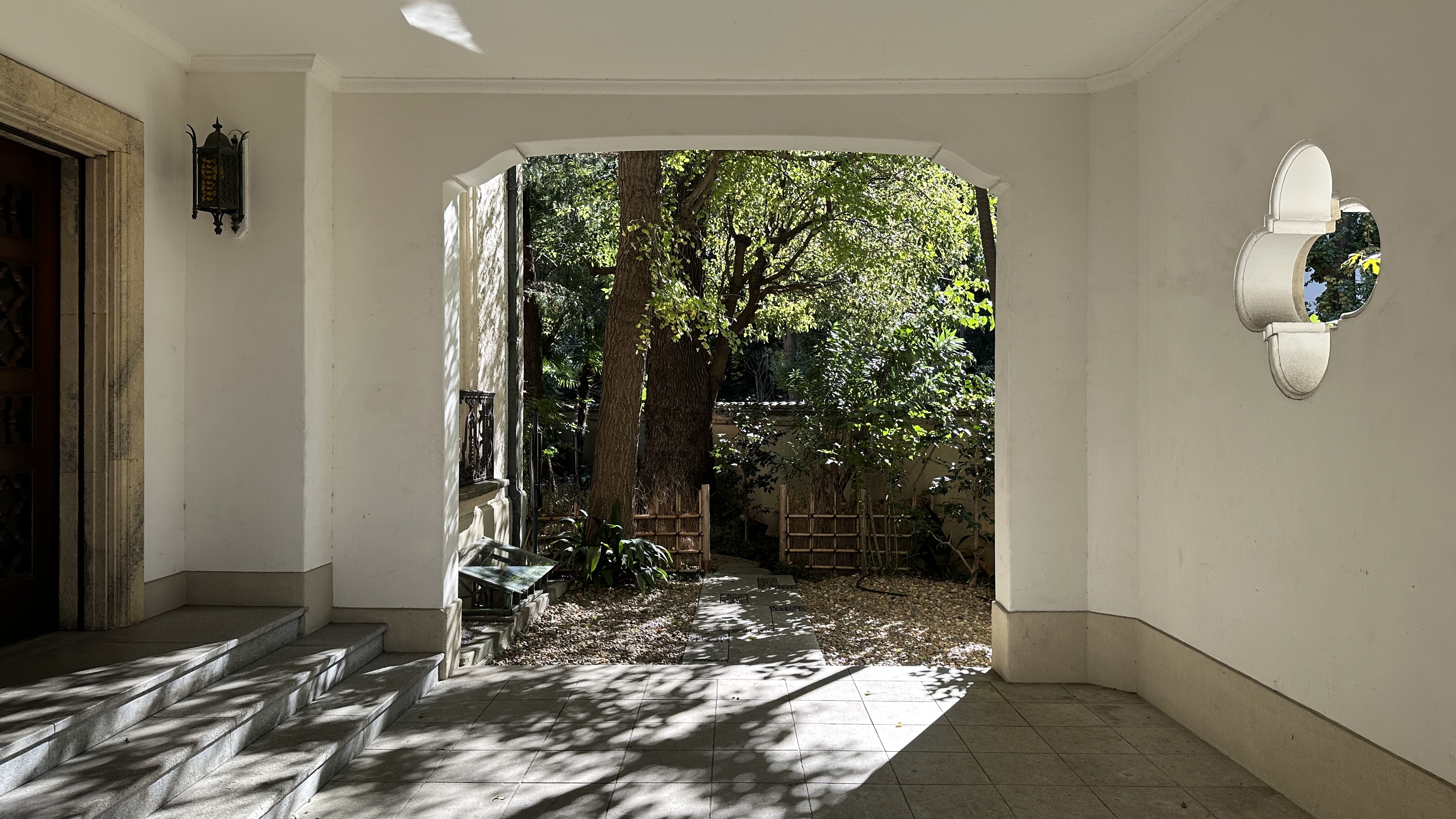
For two weeks in November, I travelled to Japan with Jillian Walliss and Heike Lahmann to hold the ‘Landscape Architects as Change Makers‘ exhibition at kudan house. Following the exhibition at the Dulux Gallery in Melbourne in May 2023, our mission was to take the exhibit to Tokyo in connection to the IFLA APR congress and hold a series of events over a week or so. As we packed all the large format prints, vinyl, projectors, and bottles of Australian wine in our suitcases, we felt full of excitement and nervousness, not 100% knowing how everything might turn out.
kudan house (former Mankichi Yamaguchi House), the exhibition venue, was possibly the best place we could ever ask for. It is a heritage-listed, 96-year-old Spanish-style mansion with a beautiful Japanese garden in Kudankita, Tokyo. The house previously hosted private parties for notable fashion brands, product release events, and business symposiums, and it operates as a business salon for members on an ongoing basis. We were fortunate to have a full week allocation in its tight schedule, with public access to the exhibition within the house.
I’m confident that the heritage and beauty of the place made the exhibition quite special, inviting more people who might not be familiar with landscape architecture into the exhibition space. We were extremely blessed to have had fantastic support from the kudan house team from the first Zoom meeting in July until the wrap-up of the exhibition space.
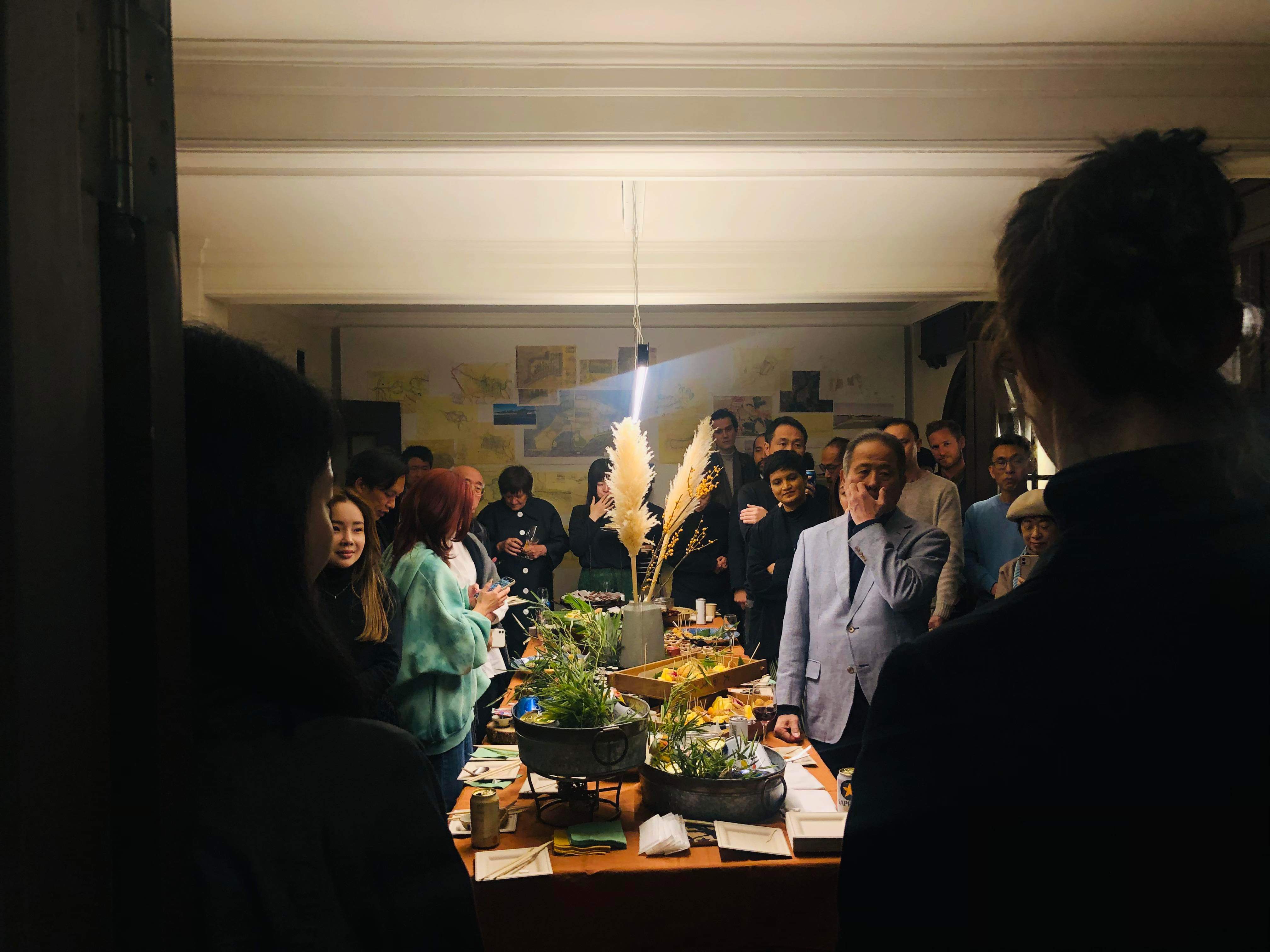
The exhibition layout aimed to take advantage of the entirety of the house with atmospheric underground space, numerous rooms on the upper level with beautiful furniture to sit and stay in, and the open space on level 3 for events while minimising the physical impacts on the house itself. With a series of moving images on smart TVs and projections with audio, the exhibition encouraged visitors to spend time learning about landscape architecture projects while immersing themselves in the house.
Despite the limited amount of time for installation and pack-up (one day for installation, half a day for pack-up with the return of smart TVs in the evening after the panel discussion event), we were able to do so with the support of the kudan team and students, especially from Tomura san’s lab at Kogakuin University – we can’t thank them enough!
Based on the ticketing system, 700-800 people visited the exhibition, opening event and the panel discussion. We were astonished by the number and grateful to those who came along.
On a personal level, the experience helped me better understand what it means to work across different cultures in professional relationships. While I don’t have formal work experience in Japan (i.e. not having worked in a firm in Japan), through this project, I found my role involved the ability to fill the gaps of cultural understanding and nuances in communication between two parties (Japanese and Australian), not just translating or interpreting. Moreover, it was empowering to realise that my educational background in the fields of built environment helps me be specific with how I interpret – expressions, terminology, sentence structure, tone, etc., ensuring that speakers’ intent can be communicated more accurately. It has been a privilege to be responsible for translation and interpretation for this project. I hope to continue developing my knowledge and skills in bridging cultures with different languages and cultural norms.

 Saran Kim | Blog